






What's Happening?
The Supreme Court has ruled in favor of oil and gas companies in a significant case concerning environmental lawsuits related to coastal land loss in Louisiana. The 8-0 decision allows these companies, including Chevron, to have their case heard in federal
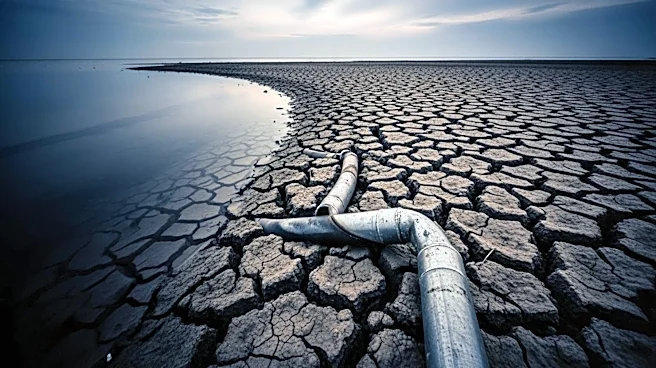
court. This follows a state jury's decision that ordered Chevron to pay over $740 million for environmental damage to Louisiana's coastline. The companies, supported by the Trump administration, argued that the case should be in federal court due to their historical role as U.S. contractors during World War II. They deny responsibility for the land loss, citing actions taken before state environmental regulations were established. Louisiana has lost over 2,000 square miles of land in the past century, with oil and gas infrastructure identified as a major contributor.
Why It's Important?
This ruling is significant as it shifts the legal battleground from state to federal court, potentially altering the outcome of the lawsuits. The decision could set a precedent for how similar environmental cases are handled, impacting the accountability of oil and gas companies for historical environmental damage. The ruling may affect the financial liabilities of these companies, influencing their operations and strategies. For Louisiana, the decision could delay or alter the course of environmental restoration efforts, affecting local communities and ecosystems. The case highlights the ongoing tension between economic interests and environmental protection, with potential implications for future regulatory and legal frameworks.
What's Next?
The case will now proceed in federal court, where the oil and gas companies will have another opportunity to contest the claims against them. This could lead to prolonged legal battles, with potential appeals and further rulings. Stakeholders, including environmental groups and local governments, may intensify their advocacy efforts to hold companies accountable. The outcome could influence future legislative actions and policies regarding environmental protection and corporate responsibility. Additionally, the decision may prompt other states facing similar issues to reconsider their legal strategies.
Beyond the Headlines
The ruling raises broader questions about the balance between economic development and environmental stewardship. It underscores the challenges of addressing historical environmental damage within current legal frameworks. The case may prompt discussions on the adequacy of existing regulations and the need for comprehensive policies to prevent future environmental degradation. It also highlights the role of the judiciary in shaping environmental policy and the potential influence of political and economic interests in legal proceedings.