





What's Happening?
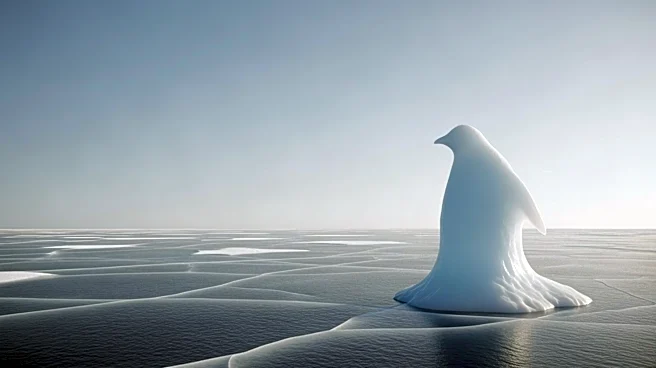
The International Union for Conservation of Nature (IUCN) has declared the emperor penguin an endangered species, citing climate change as the primary threat. The species, which relies on sea ice for breeding and feeding, faces a projected population
decline of 50% by the 2080s due to the loss of its icy habitat. The IUCN's Red List, a comprehensive source on species extinction status, now ranks the emperor penguin as endangered, two steps below 'extinct in the wild.' The Antarctic fur seal has also been moved to the endangered category, with its population having decreased by over 50% since 1999 due to reduced krill availability, a consequence of rising ocean temperatures.
Why It's Important?
This reclassification underscores the existential threat climate change poses to ice-dependent species. The emperor penguin serves as a sentinel species, indicating broader environmental changes and the effectiveness of global efforts to curb greenhouse gas emissions. The decline of these species could have significant ecological repercussions, affecting the Antarctic food web and biodiversity. The situation highlights the urgent need for international climate action to prevent further habitat loss and protect vulnerable species.
What's Next?
The IUCN's announcement may lead to increased conservation initiatives and policy measures aimed at mitigating climate change impacts on polar ecosystems. There may be calls for enhanced international collaboration to address the root causes of climate change and protect endangered species. Conservationists and policymakers might push for stricter emissions regulations and greater investment in research and monitoring efforts. The situation also emphasizes the importance of global awareness and proactive measures to safeguard biodiversity.