


What's Happening?
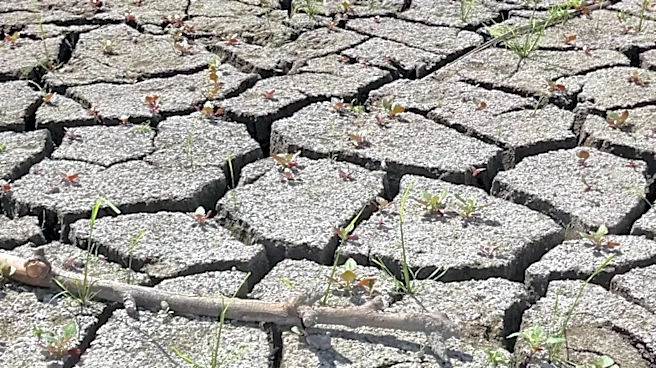
The United States Department of Agriculture (USDA) has designated fourteen counties in Idaho as primary natural disaster areas due to severe drought conditions. This designation allows the USDA's Farm Service Agency (FSA) to offer emergency loans to producers
affected by the drought. These loans can be used for various recovery needs, such as replacing essential items like equipment or livestock, reorganizing farming operations, or refinancing certain debts. The decision follows reports from the U.S. Drought Monitor indicating that these counties experienced severe drought conditions for eight or more consecutive weeks. The counties affected include Adams, Benewah, Clark, Elmore, Gem, Gooding, Jerome, Kootenai, Lemhi, Lewis, Lincoln, Nez Perce, Teton, and Washington. Additionally, twenty-two contiguous counties in Idaho, as well as counties in Montana, Oregon, and Washington, are also eligible for assistance.
Why It's Important?
The designation of these counties as natural disaster areas is crucial for the agricultural sector in Idaho, which is heavily impacted by the ongoing drought. The emergency loans provided by the USDA will help farmers and producers manage the financial strain caused by the drought, ensuring they can continue operations and maintain their livelihoods. This support is vital for the local economy, as agriculture plays a significant role in the region. The assistance will also help stabilize the supply chain by preventing potential disruptions in the production of crops and livestock. Furthermore, the designation highlights the increasing challenges posed by climate change, as extreme weather events become more frequent and severe, necessitating adaptive measures and support systems for affected communities.
What's Next?
Farmers and producers in the designated counties can apply for emergency loans through their local USDA Service Centers. The application deadline for these loans is March 29, 2027. The USDA will assess loan applications based on the extent of losses, available security, and repayment ability. As the drought persists, the USDA and other agencies may continue to monitor the situation and provide additional support if necessary. The designation also underscores the need for long-term strategies to address the impacts of climate change on agriculture, including investments in water management and drought-resistant crops.