





What's Happening?
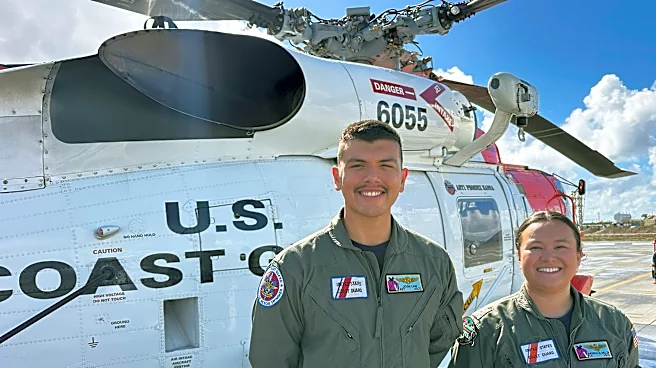
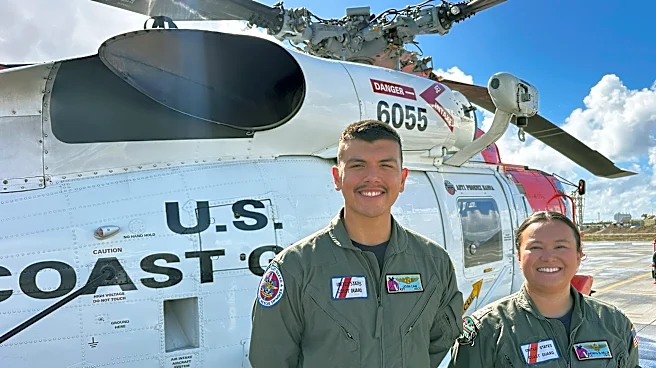
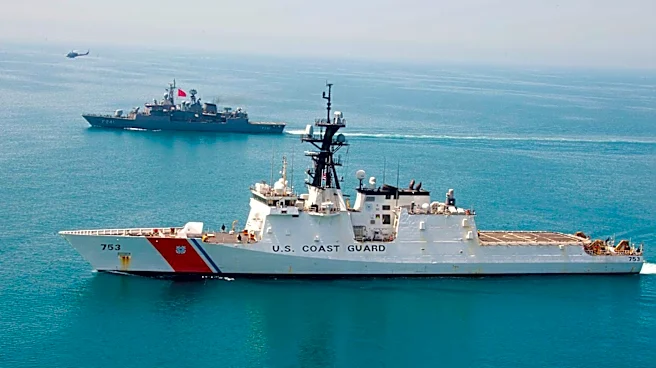
A 24-year-old U.S. Coast Guard rescue swimmer, Josh Law, successfully rescued 16 individuals from a capsized boat approximately 140 miles off the coast of Mexico’s Baja peninsula. The rescue operation occurred in the predawn hours of October 16, amidst
rough Pacific Ocean conditions with 6 to 8-foot waves and complete darkness. Law was lowered from a helicopter and, over two hours, was the sole person in the water, using a 'buddy tow' technique to bring survivors to a rescue basket. The alarm was raised around 1 a.m. by a mayday call reporting a sinking boat. The Coast Guard crew, including pilot Lt. Miyako Miller, responded from Ventura, California. Eleven other individuals from the boat were not found, and the search was called off after two days. All rescued individuals are Mexican, and U.S. Customs and Border Protection is investigating the incident, including whether the vessel was involved in migrant smuggling.
Why It's Important?
This incident highlights the critical role of the U.S. Coast Guard in international maritime search and rescue operations, often extending beyond U.S. borders to save lives. The challenging conditions of the rescue underscore the bravery and specialized training required for such missions, demonstrating the high stakes involved in maritime safety. The federal investigation into the boat's purpose and origin, particularly the possibility of migrant smuggling, points to broader issues of irregular migration routes and the inherent dangers faced by individuals attempting to cross by sea. The involvement of U.S. Customs and Border Protection in processing survivors also emphasizes the complex interplay between humanitarian aid, border security, and international law enforcement, with implications for immigration policies and regional stability.
What's Next?
The U.S. Customs and Border Protection will continue its investigation into the capsized boat incident, interviewing the survivors to determine the vessel's origin and purpose, including whether it was a migrant smuggling operation. Nearly half of those rescued have already been returned to Mexico, and the remaining survivors will be processed according to U.S. immigration laws once medically cleared. This investigation could lead to increased scrutiny of maritime routes used for irregular migration off the Mexican coast and potentially influence future enforcement strategies. The Coast Guard will likely review the operational details of this complex rescue to refine protocols for similar high-risk situations, ensuring continued effectiveness in saving lives at sea.
Beyond the Headlines
The rescue operation brings to light the ethical and humanitarian dilemmas inherent in maritime incidents involving potential migrant smuggling. While the immediate focus is on saving lives, the underlying causes, such as economic hardship or political instability driving individuals to undertake perilous journeys, remain unaddressed. The incident also raises questions about international cooperation in maritime law enforcement and rescue, particularly in shared waters. The physical and psychological toll on rescue personnel like Josh Law, who faced extreme exhaustion and dangerous conditions, often goes unrecognized. Furthermore, the presence of injuries consistent with shark bites among survivors adds another layer of peril to these already hazardous voyages, underscoring the desperate circumstances that lead individuals to risk such dangers.