
What's Happening?
A recent study published in the journal Science Advances highlights the significant risks associated with indoor tanning, particularly among young women. The research indicates that individuals who use
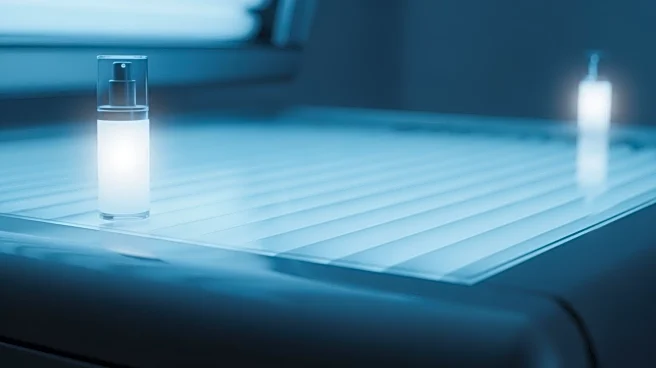
tanning beds are nearly three times more likely to develop melanoma, the deadliest form of skin cancer, compared to those who have never tanned indoors. The study involved a comparison of medical records from nearly 3,000 tanning bed users with a control group of non-users. Findings revealed that frequent tanning bed use correlates with a higher risk of melanoma, with those having over 200 exposures facing more than eight times the risk. The study also conducted genetic sequencing on skin cells from tanning bed users, uncovering extensive DNA damage. This damage was more pronounced in younger women, who are the heaviest users of indoor tanning. The research underscores the dangers of tanning beds, which emit ultraviolet radiation significantly stronger than natural sunlight.
Why It's Important?
The findings of this study are crucial for public health, particularly in raising awareness about the dangers of indoor tanning. Despite a decline in indoor tanning practices, the trend remains popular among young women, driven by aesthetic preferences. The study's revelations about the heightened risk of melanoma and extensive DNA damage highlight the need for increased education and preventive measures. This is especially important as melanoma can lead to severe health consequences and requires frequent medical monitoring and treatment. The study challenges the perception that tanning beds are a safer alternative to sun exposure, emphasizing the need for stricter regulations and public health campaigns to discourage their use. The potential long-term health implications for young women who engage in frequent indoor tanning are significant, affecting their quality of life and increasing healthcare burdens.
What's Next?
In response to these findings, there may be calls for more stringent regulations on the use of tanning beds, particularly targeting younger demographics. Public health campaigns could be intensified to educate the public about the risks of indoor tanning and promote safer alternatives for achieving a tan. Dermatologists and healthcare providers might increase efforts to screen for skin cancer in patients with a history of tanning bed use. Additionally, there could be advocacy for policy changes to restrict access to tanning beds for minors, similar to existing regulations on tobacco and alcohol. The study's authors and participants hope that these findings will deter young people from engaging in indoor tanning, potentially reducing the incidence of melanoma and other skin cancers in the future.
Beyond the Headlines
The study also raises ethical considerations regarding the marketing practices of the tanning industry, which often downplays the risks associated with UV exposure. There is a cultural dimension to the preference for tanned skin, which may be influenced by media and societal standards of beauty. Addressing these cultural perceptions could be key in reducing the demand for indoor tanning. Furthermore, the study highlights the psychological impact on individuals diagnosed with skin cancer at a young age, including anxiety and the emotional burden of frequent medical interventions. These aspects underscore the need for comprehensive strategies that address both the physical and mental health implications of indoor tanning.