





What's Happening?
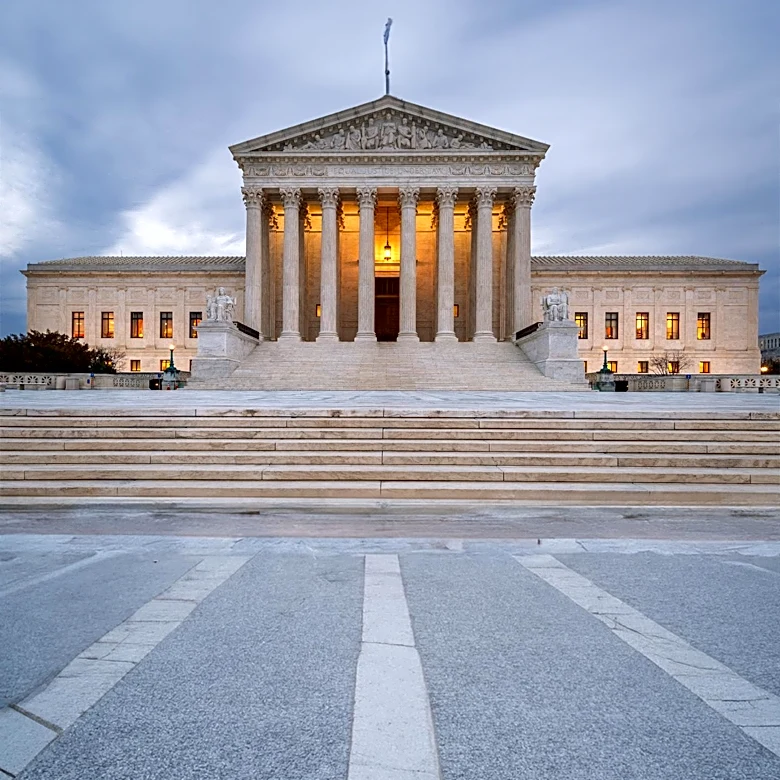
The Supreme Court's decision in Chatrie v. United States has significant implications for digital privacy rights under the Fourth Amendment. The case involved law enforcement's use of a geofence warrant to access location data from Google, which led to the conviction
of Okello Chatrie for a bank robbery. The Court ruled that accessing such data constitutes a 'search' under the Fourth Amendment, requiring constitutional justification. This decision is seen as a victory for privacy advocates, as it challenges the third-party doctrine, which previously allowed law enforcement to access data shared with third parties without a warrant. However, the decision also leaves gaps that may require legislative action to ensure comprehensive privacy protections.
Why It's Important?
The Chatrie decision underscores the evolving nature of digital privacy rights in the face of advancing technology. It highlights the judiciary's critical role in interpreting constitutional protections in the digital age, particularly as legislative measures lag behind technological advancements. The ruling could influence how courts handle similar cases in the future, potentially leading to stricter scrutiny of law enforcement's use of digital data. This has broad implications for privacy rights, as it may limit government surveillance capabilities and protect individuals' personal information from unwarranted access. The decision also emphasizes the need for legislative action to address the complexities of digital privacy comprehensively.
What's Next?
Following the Chatrie decision, the case has been remanded to a lower court to determine the validity of the geofence warrant under the Fourth Amendment. This will involve assessing whether the warrant met the requirements of particularity and probable cause. The outcome could set a precedent for future cases involving digital data and privacy rights. Additionally, privacy advocates are likely to push for legislative reforms at both state and federal levels to address the gaps left by the decision. These reforms could include specific regulations on the use of geofence warrants and other surveillance tools, ensuring that privacy rights are adequately protected in the digital era.