










What's Happening?
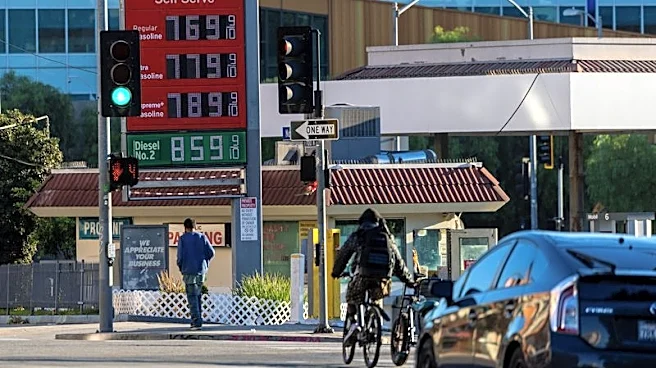
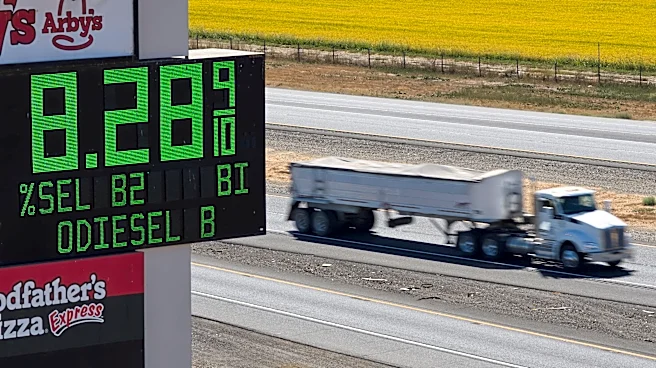
A recent survey conducted by the California Farm Bureau among over 1,000 farmers and ranchers reveals that high diesel costs are imposing significant financial strain on agricultural operations across California. This increase in fuel expenses is driving
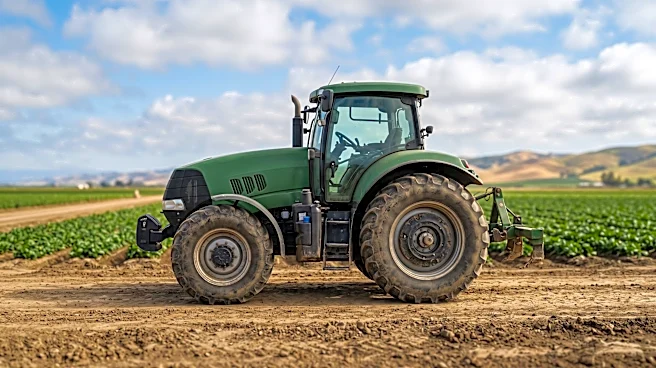
up production costs and further narrowing already tight profit margins for farmers. More than half of the surveyed farmers indicated that lower diesel prices would be crucial for maintaining the financial viability of their operations. Three out of four farmers reported increased financial stress directly attributable to diesel prices, and 40% are reducing fieldwork as a direct consequence. Diesel is an indispensable input for modern agriculture, powering essential equipment such as tractors, harvesters, and trucks used daily on farms and ranches. Farmers are being compelled to make difficult decisions regarding expense reductions, delaying investments, and scaling back operations to cope with these rising costs. The California Farm Bureau is actively highlighting these economic challenges to policymakers to ensure they understand the real-world impacts on food production within the state.
Why It's Important?
The financial distress experienced by California farmers due to escalating diesel costs has significant implications for the state's agricultural sector and the broader U.S. food supply chain. California is a major agricultural producer, and the viability of its farms directly affects the availability and cost of numerous food products nationwide. Increased production costs for farmers will likely translate into higher food prices for consumers, contributing to inflationary pressures. Furthermore, the reduction in fieldwork and delayed investments could lead to decreased agricultural output, potentially impacting food security and the competitiveness of U.S. agriculture in global markets. The survey findings underscore the vulnerability of the agricultural industry to energy price fluctuations and highlight the need for policies that support farmers in managing these volatile costs. The long-term sustainability of family farms, which are critical components of rural economies and local communities, is also at risk, potentially leading to consolidation in the agricultural sector and a loss of agricultural diversity.
What's Next?
The California Farm Bureau's ongoing efforts aim to bring these issues to the attention of policymakers, advocating for measures that could alleviate the financial burden on farmers. Potential actions could include tax relief on fuel, subsidies for agricultural diesel, or incentives for adopting more fuel-efficient technologies and practices. Farmers themselves are exploring ways to mitigate these costs, such as optimizing fieldwork schedules, investing in newer, more efficient machinery, or exploring alternative energy sources where feasible. The survey indicates that any savings from reduced diesel expenses would be reinvested into their businesses, including employee wages, equipment upgrades, and infrastructure improvements, which would benefit the agricultural workforce and enhance operational resilience. The situation also highlights the broader need for a national energy strategy that considers the specific needs of critical industries like agriculture, ensuring stable and affordable access to essential inputs.
Beyond the Headlines
The challenge of high diesel costs for California farmers points to a deeper systemic issue: the intricate link between energy policy, environmental regulations, and food production. While the immediate concern is financial, the reliance on fossil fuels in agriculture also contributes to environmental impacts, creating a complex dilemma. Policymakers face the task of balancing the need for affordable energy for food production with broader climate goals. This situation could accelerate the exploration and adoption of renewable energy sources in agriculture, such as solar-powered irrigation or electric farm equipment, though these transitions come with their own set of challenges and investment requirements. The struggle of individual farmers, as highlighted by personal testimonies in the survey, underscores the human element of economic pressures in agriculture, affecting livelihoods, family legacies, and the fabric of rural communities. This also raises questions about the resilience of the U.S. food system in the face of external shocks, from global energy markets to climate change impacts.