






What's Happening?
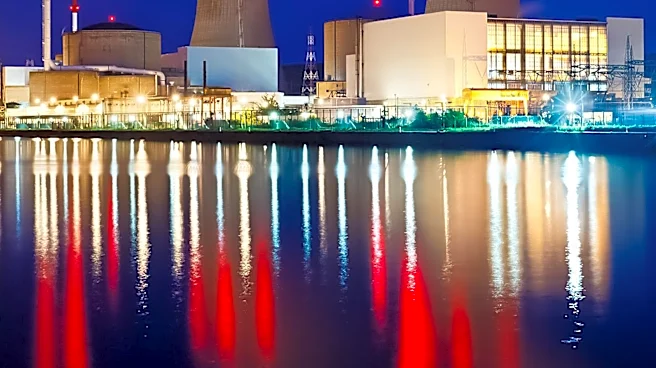
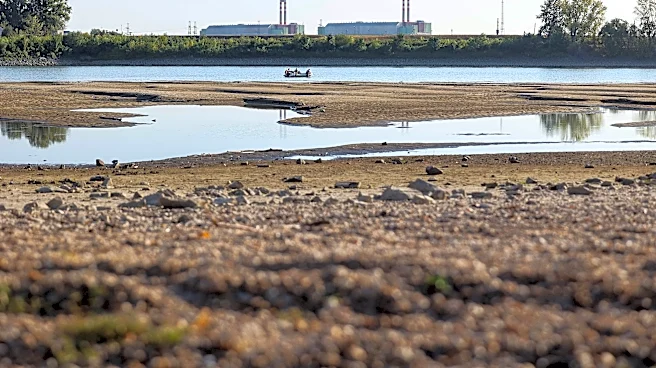
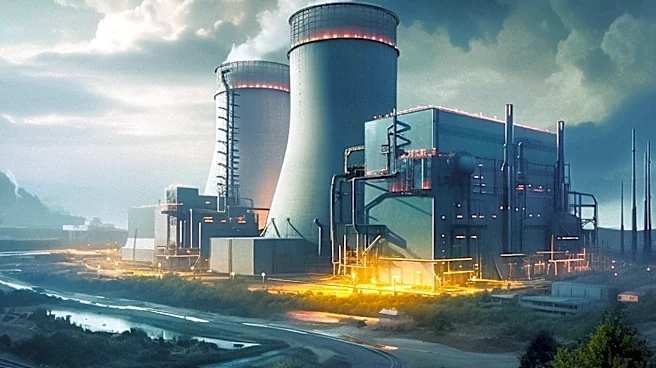
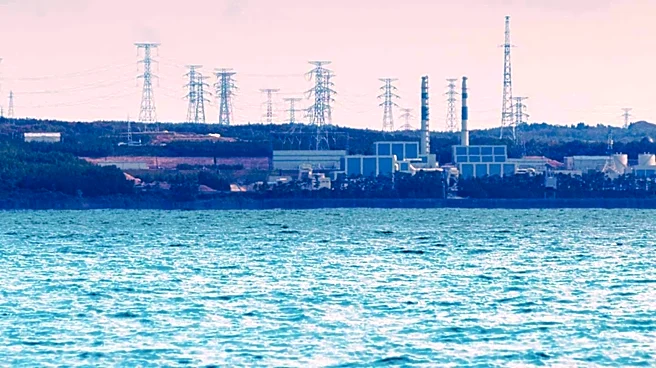
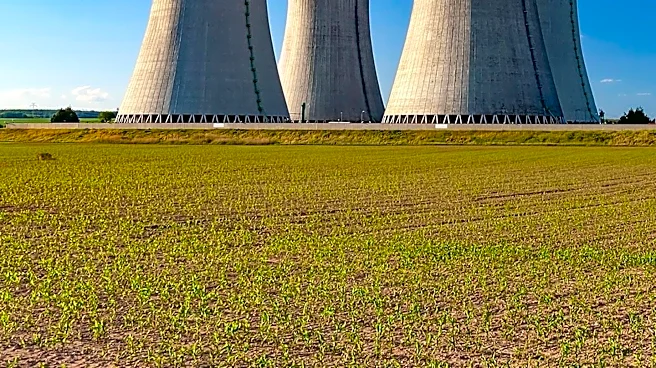
Hungary will shut down its sole nuclear power plant, Paks, for the first time in its 44-year history due to record-low water levels in the Danube River. The plant relies on the river for cooling its reactors, and the water levels have dropped significantly
due to prolonged heat waves and below-average rainfall. The shutdown is expected to last for weeks, and the Hungarian government is seeking voluntary power cuts from large users to manage the potential power crunch. The situation has led to a surge in imported electricity prices, which could cost Hungary significantly.
Why It's Important?
The shutdown of the Paks nuclear plant underscores the vulnerability of energy infrastructure to climate-related changes, such as prolonged heat waves and droughts. As the plant provides over 40% of Hungary's electricity, its closure could lead to increased energy costs and potential power shortages. This situation highlights the broader challenges faced by countries relying on natural resources for energy production, emphasizing the need for diversified and resilient energy systems. The economic impact could extend beyond Hungary, affecting regional energy markets and prices.
What's Next?
Hungary's government may implement mandatory power cuts if voluntary measures prove insufficient. The situation could prompt a reevaluation of energy policies and investments in alternative energy sources to mitigate future risks. The ongoing climate conditions suggest that similar challenges could arise in other regions, necessitating international cooperation and policy adjustments to address the impacts of climate change on energy infrastructure.