



What's Happening?
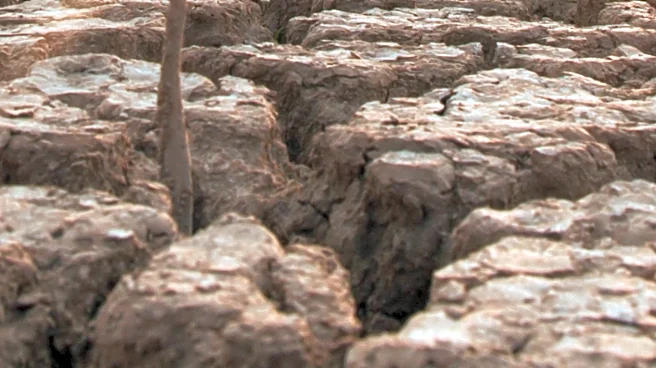
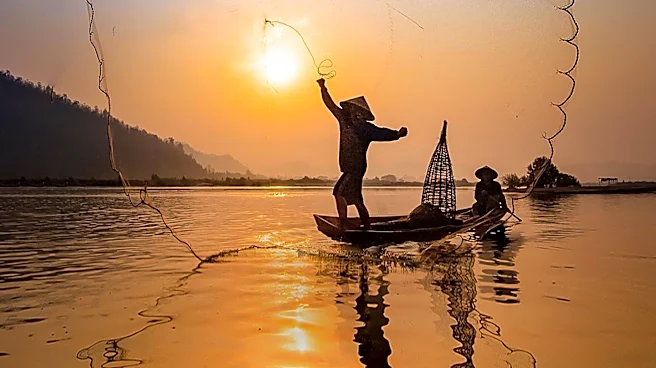
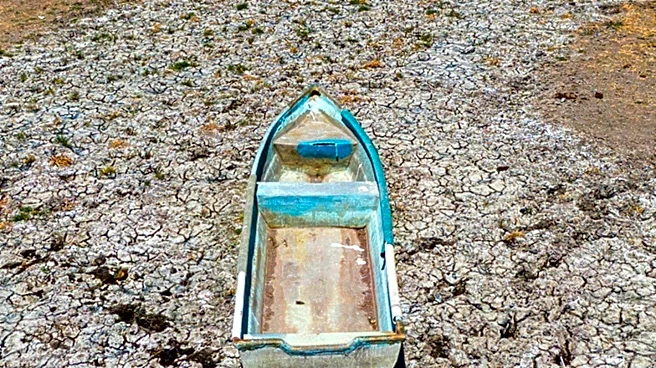
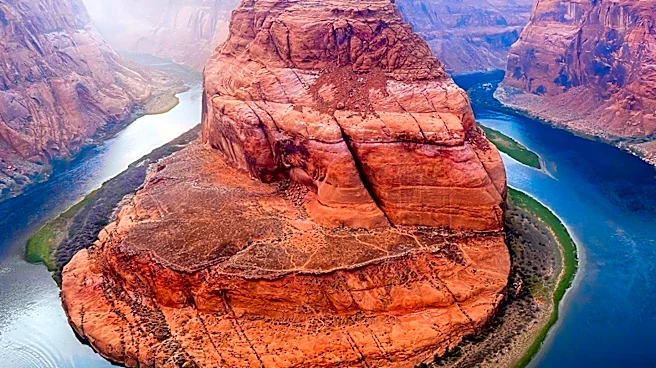
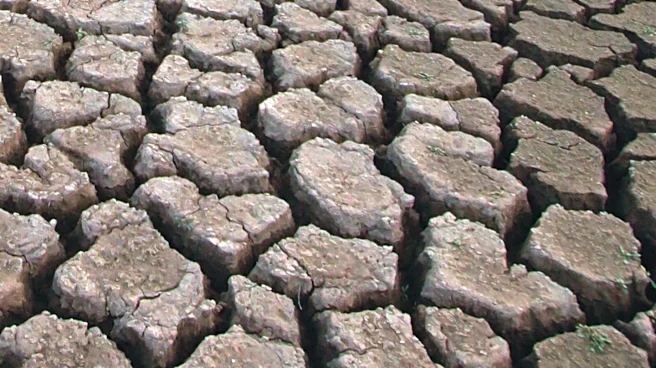
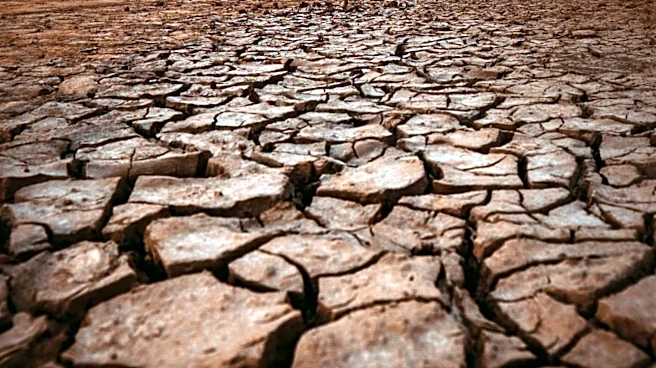
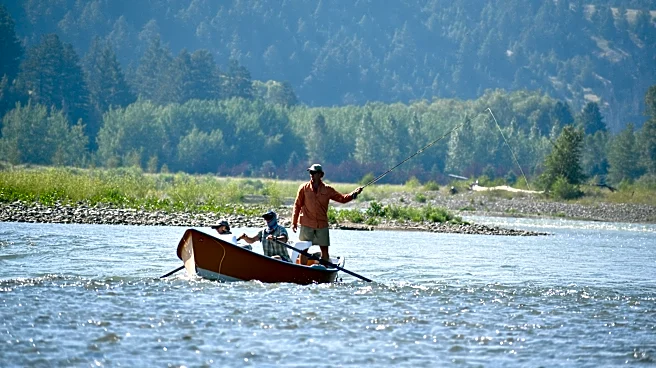
Colorado is experiencing severe drought conditions, leading to unprecedented fishing restrictions across over 630 miles of rivers and streams. State wildlife officials have implemented these measures to protect fish populations from rising water temperatures
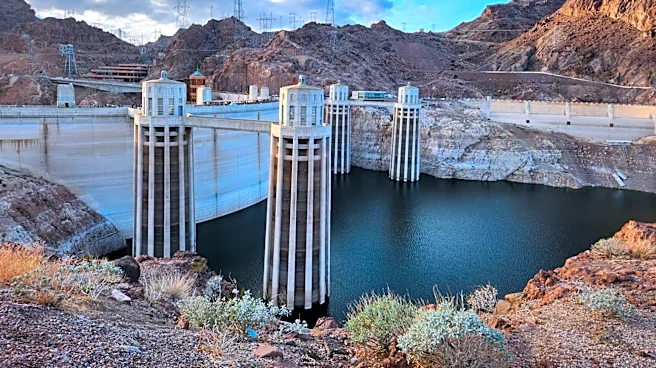
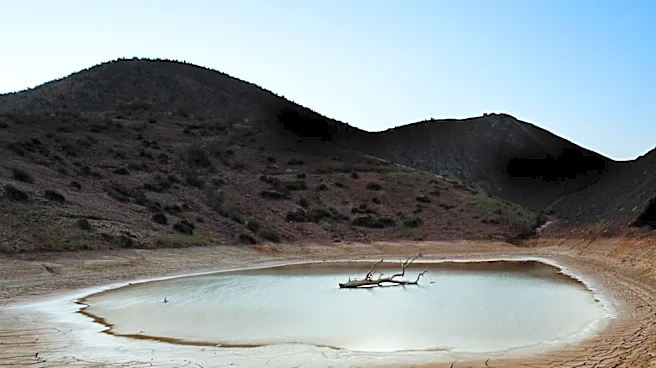
and low streamflows. The drought has also resulted in the draining of several reservoirs, affecting both recreational activities and power production. The state's hydropower plants are at risk due to declining water levels, and farmers are facing significant challenges with reduced water availability for irrigation.
Why It's Important?
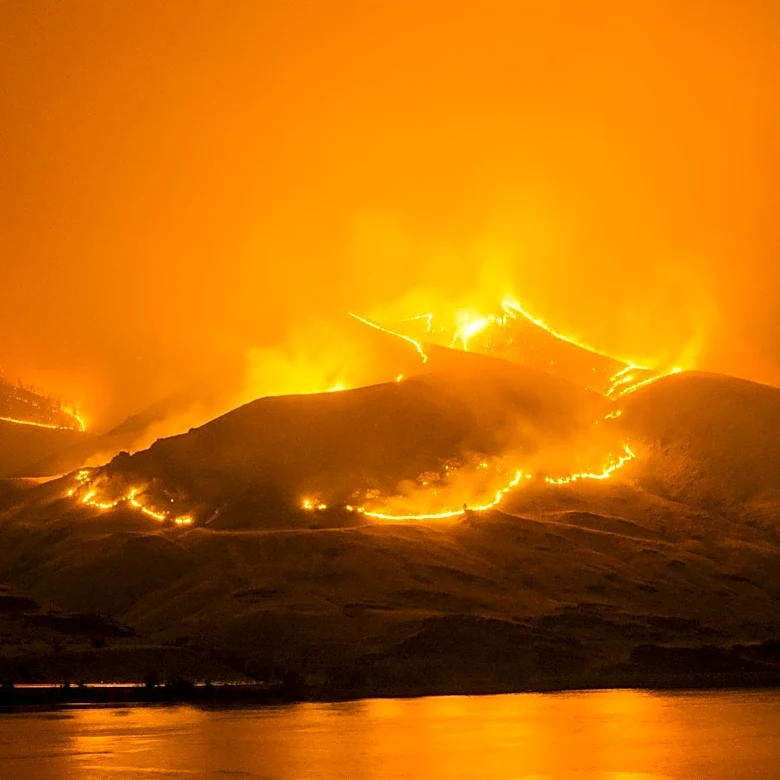
The drought in Colorado highlights the broader impacts of climate change on water resources, agriculture, and energy production. The fishing restrictions aim to preserve aquatic ecosystems, but they also affect local economies reliant on recreational fishing and tourism. The situation underscores the need for sustainable water management practices and increased collaboration among stakeholders to mitigate the effects of climate change. The challenges faced by farmers and power producers illustrate the interconnectedness of natural resources and the importance of adaptive strategies to ensure resilience in the face of environmental changes.
What's Next?
As the drought persists, Colorado will need to explore long-term solutions to manage water resources effectively. This may include investing in water conservation technologies, enhancing reservoir storage capacities, and developing policies to support affected industries. The state will also need to monitor climate patterns closely to anticipate future droughts and implement proactive measures. Collaboration between government agencies, local communities, and industry stakeholders will be crucial in developing comprehensive strategies to address the ongoing challenges posed by climate change.