






What's Happening?
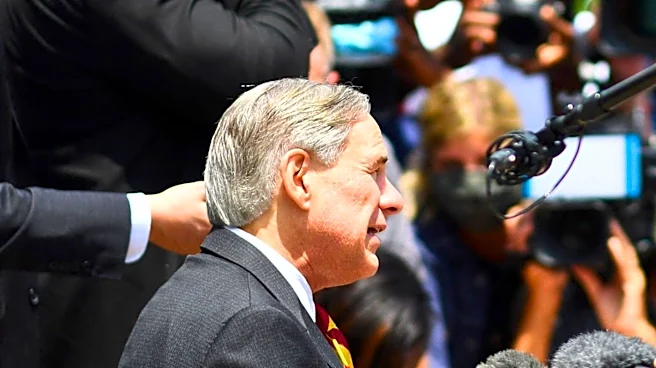
Governor Greg Abbott of Texas is addressing resistance from cities against state housing laws aimed at increasing housing affordability. Abbott signed laws last year to loosen zoning regulations, allowing more apartments and smaller homes. However, some
cities, particularly in the Dallas-Fort Worth area, have enacted local rules to limit housing development under these laws. At a campaign event, Abbott criticized these cities for 'skirting the law' and proposed withholding sales tax revenue from non-compliant localities. He also advocates for easier construction of accessory dwelling units (ADUs) to provide affordable housing options.
Why It's Important?
Abbott's actions highlight the ongoing tension between state and local governments over housing policy. The push for more housing is crucial in addressing Texas's affordability crisis, as housing costs continue to rise. By advocating for ADUs, Abbott aims to provide low-cost housing solutions that can benefit homeowners and renters alike. However, local resistance reflects concerns over state interference in municipal zoning decisions. The outcome of this conflict could significantly impact housing availability and affordability in Texas, influencing economic stability and quality of life for residents.
What's Next?
Abbott's proposal to penalize cities financially may face legal challenges and political pushback from local governments. The upcoming legislative session will be critical in determining whether new measures to enforce housing laws will be enacted. Additionally, the 2026 midterm elections may influence the political landscape, as candidates address housing affordability issues. The success of Abbott's initiatives could set a precedent for other states facing similar housing challenges.