







What's Happening?
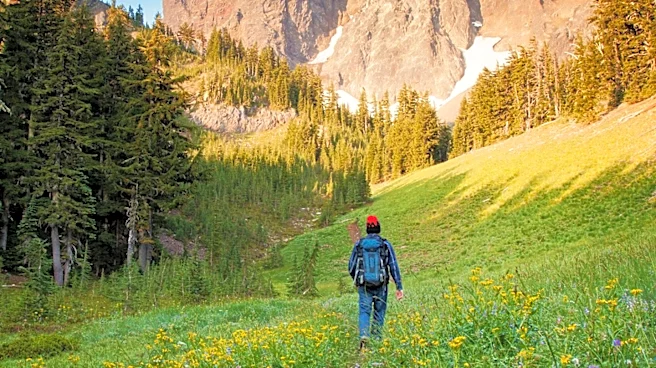
Oregon State Parks provide a wide array of hiking opportunities, catering to various skill levels and preferences. For instance, Silver Falls State Park, located near Salem, features a dramatic forested canyon with ten waterfalls, some of which hikers
can walk behind. The park boasts over 35 miles of trails, including the popular 7.2-mile Trail of Ten Falls and the more accessible one-mile North Rim Trail. Further north, Oswald West State Park near Seaside offers 2,484 acres of hiking trails within a temperate rainforest along the coastline, including a half-mile walk to Short Sand Beach and a 13-mile section of the Oregon Coast Trail. In southern Oregon, Collier Memorial State Park allows visitors to explore trails and wade in the Williamson River, with a 10-mile route connecting to the Fremont-Winema National Forest. Carl G. Washburne Memorial State Park, north of Florence, also features trails that are part of the Oregon Coast Trail, leading to scenic spots like the Heceta Head Lighthouse. These parks emphasize the importance of being prepared and respectful, practicing 'leave no trace' principles, and respecting wildlife to maintain the optimal condition of public lands.
Why It's Important?
The extensive hiking opportunities in Oregon State Parks are crucial for promoting public health and well-being by encouraging outdoor physical activity and reconnecting individuals with nature. These parks serve as significant recreational assets, attracting both local residents and tourists, which in turn supports local economies through visitor spending on accommodations, food, and gear. The diversity of trails, from accessible paths to challenging routes, ensures that people of all ages and abilities can engage with the natural environment. Furthermore, the emphasis on 'leave no trace' principles and wildlife respect in these parks highlights a broader commitment to environmental stewardship and conservation. This approach helps preserve Oregon's unique ecosystems and natural beauty for future generations, fostering a culture of responsible outdoor recreation. The availability of such varied natural spaces also contributes to mental health benefits, offering serene environments for contemplation and stress reduction away from urban settings.
What's Next?
To ensure the continued accessibility and preservation of these natural wonders, ongoing support and funding for Oregon State Parks are essential. Efforts are underway to secure robust and reliable funding to maintain these parks, which will allow for continued trail maintenance, facility upgrades, and educational programs. Visitors are encouraged to learn more about these initiatives and contact their state legislators to advocate for increased funding. Additionally, the parks will continue to host various events and programs, such as guided hikes and educational sessions, to engage the public and deepen their appreciation for the state's natural heritage. The focus will remain on balancing public access with environmental protection, ensuring that the parks can accommodate growing numbers of visitors while minimizing ecological impact. This includes promoting responsible visitor behavior and potentially expanding accessible trail options to cater to a wider demographic.
Beyond the Headlines
The availability and maintenance of extensive state park systems like Oregon's reflect a deeper societal value placed on natural landscapes and outdoor recreation. Beyond the immediate economic and health benefits, these parks play a vital role in fostering a sense of community and regional identity. They serve as living classrooms, offering opportunities for environmental education and scientific research, which can inform broader conservation strategies. The commitment to preserving these spaces also touches upon ethical considerations regarding human interaction with nature, promoting a stewardship mindset that extends beyond park boundaries. In an increasingly urbanized world, these natural havens provide critical ecological services, such as clean air and water, and act as biodiversity strongholds. The long-term shifts triggered by such initiatives include a greater public awareness of environmental issues and a potential increase in civic engagement aimed at protecting natural resources, influencing policy decisions at both state and national levels.