
What's Happening?
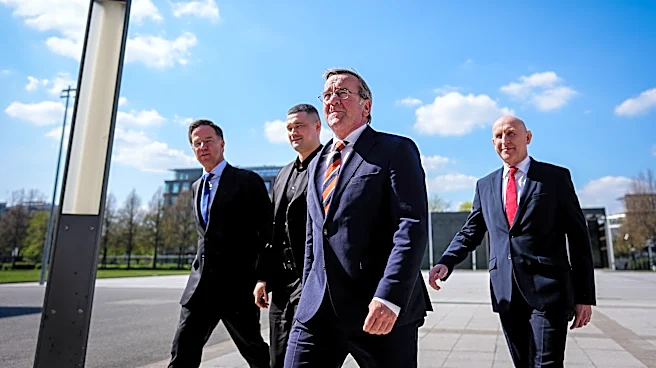
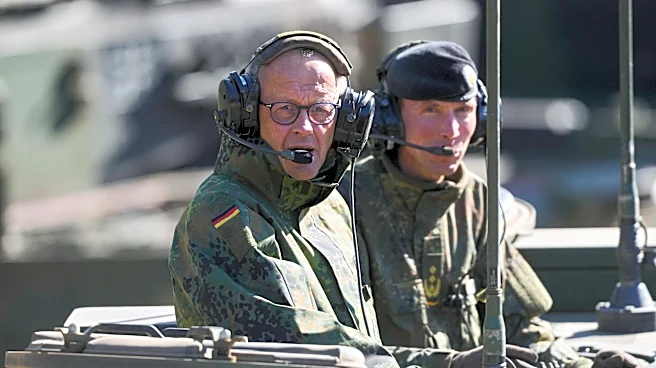
Germany is responding to the planned withdrawal of 5,000 U.S. troops by emphasizing the need for Europe to strengthen its own defense capabilities. German Defense Minister Boris Pistorius stated that the drawdown
was expected and highlighted Germany's efforts to expand its armed forces and accelerate military procurement. The U.S. decision, announced by the Pentagon, is part of broader tensions between the U.S. and Europe, including disputes over trade tariffs and differing strategies in the Middle East. The withdrawal is expected to be completed within 6 to 12 months, but details about the redeployment of troops remain unspecified. NATO is working with the U.S. to understand the full implications of the decision.
Why It's Important?
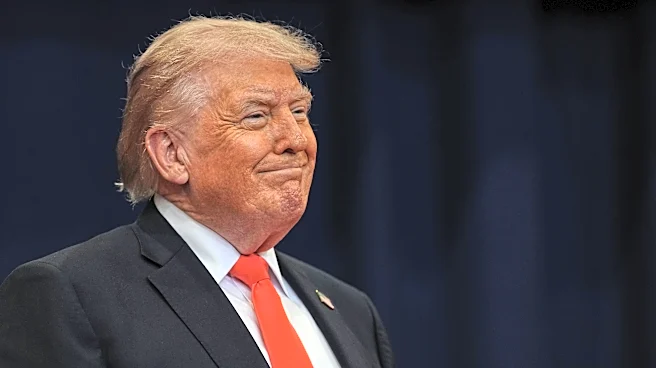
The U.S. troop withdrawal from Germany is a critical development in transatlantic relations, as it underscores the shifting dynamics of NATO's defense strategy. The move could leave gaps in deterrence against Russia, prompting European nations to reassess their military capabilities. The decision also coincides with economic tensions, as President Trump plans to increase tariffs on European auto imports, potentially impacting the German economy. The situation highlights the challenges facing the transatlantic alliance, as European leaders call for greater self-reliance in defense while navigating complex geopolitical and economic landscapes.
What's Next?
As the U.S. troop withdrawal progresses, European countries may need to accelerate their defense initiatives to fill potential security gaps. Germany, in particular, is likely to continue expanding its military forces and infrastructure. NATO will play a crucial role in coordinating the response and ensuring that the alliance remains cohesive. The U.S. Congress may also seek to review the decision, given its implications for U.S. and European security. The situation could lead to further diplomatic engagements between the U.S. and European leaders to address the broader strategic and economic challenges.