







What's Happening?
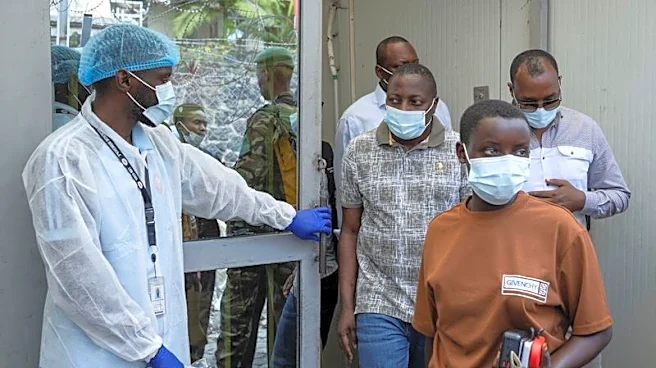
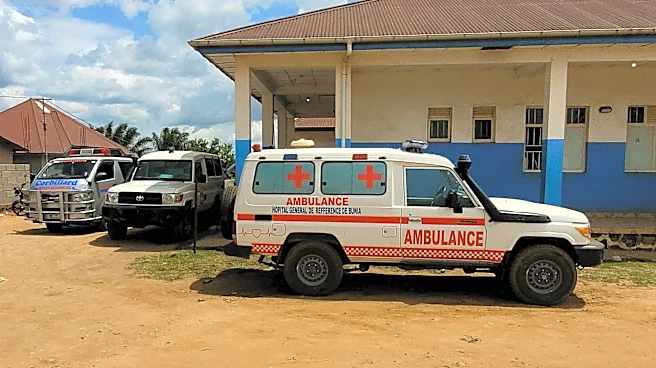
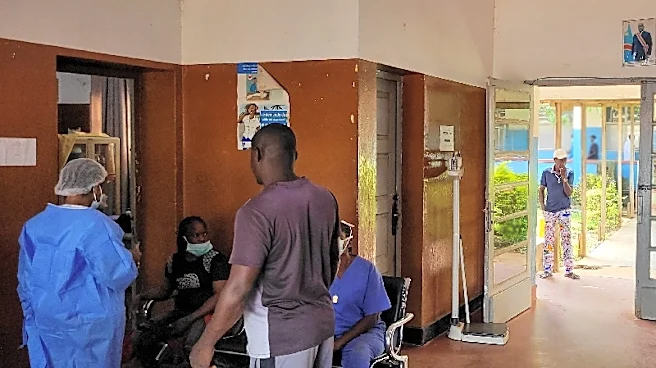
Dr. James McDonald, the New York state health commissioner, is closely monitoring the Ebola outbreak in the Democratic Republic of Congo. The outbreak, which has been declared an international public health emergency by the World Health Organization,
has resulted in hundreds of infections and over 80 deaths. This situation arises as New York and New Jersey prepare to host eight matches of the FIFA World Cup, which will bring thousands of international travelers to the area. Dr. McDonald emphasized that there is no immediate threat to New Yorkers, as the state health department maintains communication with the World Health Organization and the Centers for Disease Control and Prevention. Additionally, three New Yorkers are being evaluated in Nebraska following a hantavirus outbreak on a cruise ship, although these cases are unrelated to the Ebola situation.
Why It's Important?
The monitoring of the Ebola outbreak is crucial as New York prepares for an influx of international visitors for the FIFA World Cup. The potential for disease transmission during such large-scale events underscores the importance of robust public health measures. New York's preparedness, including specialized treatment units at hospitals like Bellevue, positions the state to handle potential health threats effectively. The situation also highlights the need for continued investment in public health infrastructure and international collaboration to prevent the spread of infectious diseases. The response to this outbreak will test the effectiveness of current health policies and the ability of state and federal agencies to coordinate in managing public health risks.
What's Next?
As the situation develops, New York health officials will continue to monitor the Ebola outbreak and coordinate with federal agencies to ensure public safety. Airport screenings and other preventive measures may be implemented if necessary. The focus will remain on containing the outbreak in the Democratic Republic of Congo, with the CDC playing a critical role in international efforts. The upcoming World Cup will serve as a test of the state's preparedness and the effectiveness of its public health strategies. Ongoing communication between state health departments, the CDC, and the WHO will be essential in managing any potential health threats.