





What's Happening?
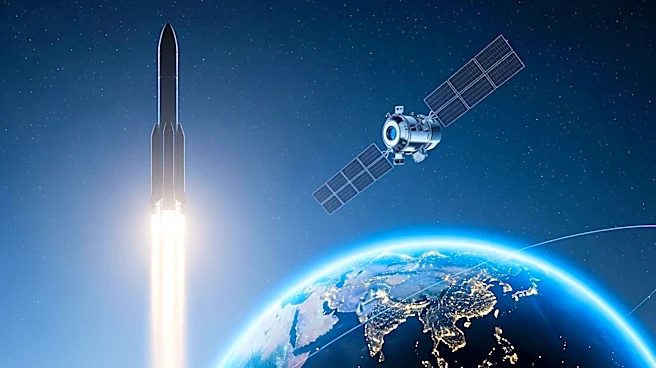
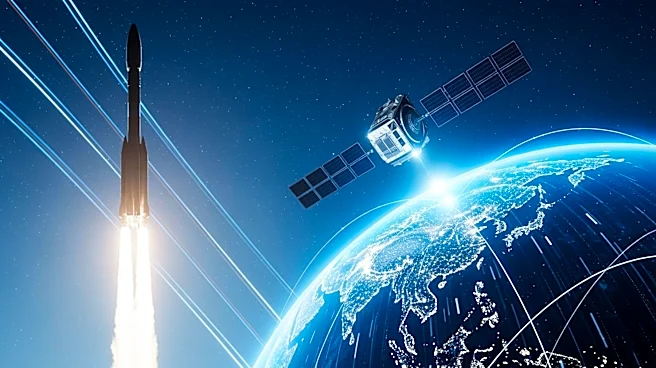
The rollout of the GPS III satellite system is nearing completion, with the recent launch of the tenth satellite by a SpaceX Falcon 9 rocket. This marks a significant upgrade to the Global Positioning System, which has been in use since the late 20th
century. The new GPS III satellites offer improved accuracy, reliability, and resistance to jamming and spoofing. They feature higher transmission power and new signals, such as the 'Safety of Life' signal, which is intended for high-performance applications like aviation. The system also supports interoperability with other global navigation systems, enhancing overall performance.
Why It's Important?
The completion of the GPS III satellite system represents a major advancement in global navigation technology, with significant implications for both civilian and military applications. Enhanced accuracy and reliability are crucial for industries that rely on precise location data, such as transportation, logistics, and emergency services. The improved resistance to interference and spoofing addresses security concerns, making the system more robust against potential threats. This development also reflects the ongoing investment in space technology and its critical role in supporting modern infrastructure and economic activities.
What's Next?
Following the deployment of the initial GPS III satellites, the next phase involves the launch of the GPS IIIF satellites starting in 2027. These will incorporate lessons learned from the current deployment and feature additional advancements, such as optical reflectors and improved atomic clocks. The continued evolution of GPS technology will likely lead to further enhancements in navigation accuracy and system resilience, benefiting a wide range of sectors. Stakeholders, including government agencies and private companies, will need to adapt to these changes and explore new opportunities enabled by the upgraded system.