




What's Happening?
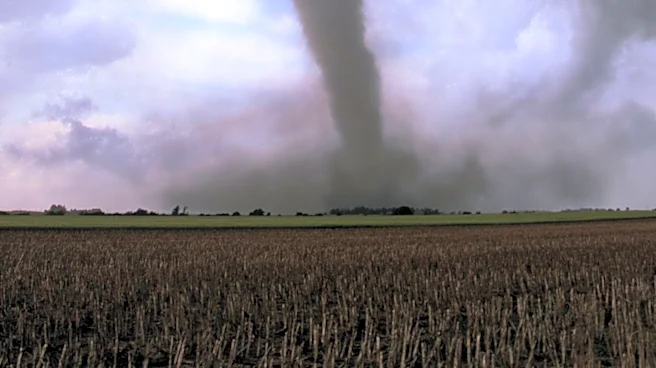
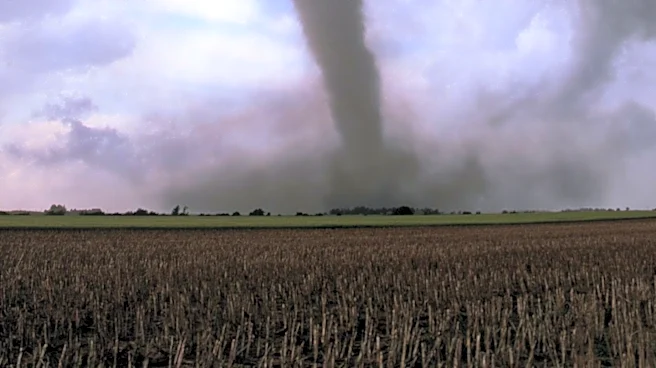
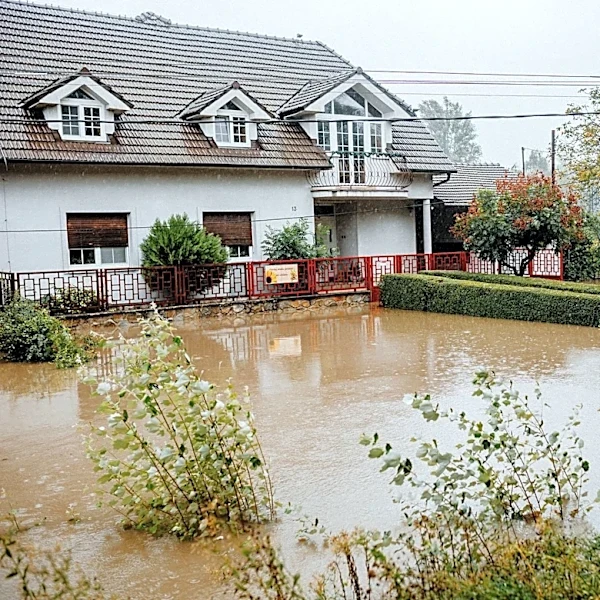
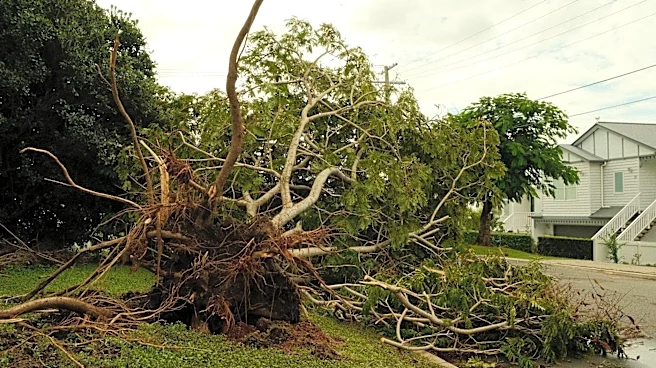
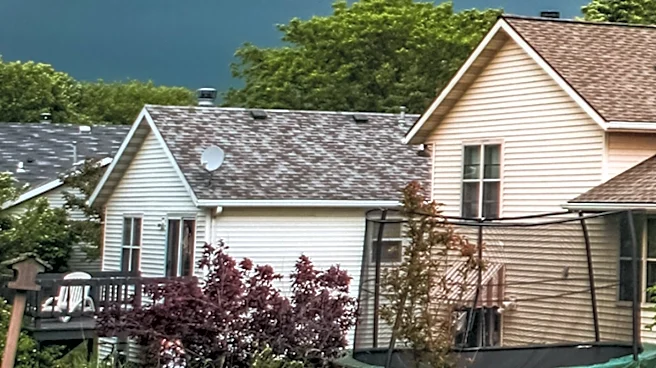
An EF2 tornado struck the Detroit Lakes area in Minnesota, causing significant destruction. The tornado, which occurred on Monday night, left residents describing scenes where objects were not just displaced but torn apart. The community is now engaged
in cleanup efforts to address the damage caused by the severe weather event. The tornado's impact has been profound, with debris scattered across the area, affecting homes and infrastructure. Emergency services and local authorities are working to assist residents in the recovery process, ensuring safety and restoring normalcy as quickly as possible.
Why It's Important?
The tornado in Detroit Lakes highlights the increasing frequency and intensity of severe weather events in the Midwest, raising concerns about climate resilience and preparedness. Such natural disasters can have long-term economic impacts on affected communities, disrupting local economies and requiring substantial resources for recovery and rebuilding. The event underscores the need for robust emergency response systems and infrastructure capable of withstanding extreme weather. It also brings attention to the broader implications of climate change, as communities across the U.S. may face similar challenges in the future.
What's Next?
In the aftermath of the tornado, local authorities and emergency services will continue to focus on cleanup and recovery efforts. Assessments of the damage will guide rebuilding strategies, with potential state and federal assistance to support the community. There may also be discussions on improving infrastructure resilience and emergency preparedness to better handle future severe weather events. Community meetings and collaborations with meteorological experts could be part of the strategy to enhance local response capabilities.
Beyond the Headlines
The tornado's impact on Detroit Lakes serves as a reminder of the broader environmental challenges posed by climate change. It raises questions about sustainable development and the need for policies that address the root causes of increased weather volatility. The event may also influence public opinion and policy discussions on climate action, emphasizing the importance of integrating climate considerations into urban planning and community development.