





What's Happening?
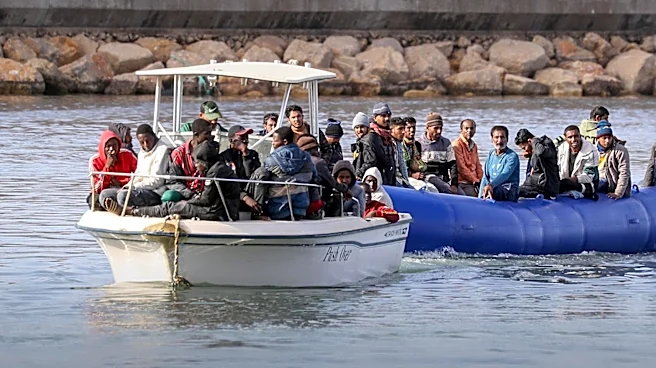
Spain's Maritime Rescue Service reported that nearly 2,200 migrants arrived by boat in the Canary Islands over the past two days. This influx highlights the ongoing challenges of migration across the Atlantic. The Canary Islands, an archipelago off northwest
Africa, serve as a primary entry point into Spain for migrants, predominantly from West Africa. These individuals undertake perilous journeys in makeshift boats across one of the world's deadliest migration routes. Between January and October of the current year, over 28,000 people arrived in Spain by sea, with more than 13,000 of them reaching the Canary Islands, according to the Interior Ministry. The Maritime Rescue Service specifically aided 1,324 migrants on 14 dinghies, with most disembarking on the island of El Hierro. This figure approaches the daily record for this route, which was 1,461 people rescued on November 7, 2020. Migrants often embark from Mauritania, navigating a route that can take days or weeks to avoid security forces, despite the islands being approximately 65 miles from the closest point in Africa.
Why It's Important?
The continuous arrival of migrants in the Canary Islands underscores a significant humanitarian and logistical challenge for Spain and the European Union. The dangerous nature of the Atlantic crossing, often undertaken in unseaworthy vessels, leads to numerous fatalities and puts immense strain on rescue services and reception facilities. This migration trend reflects broader socio-economic and political instability in West African nations, pushing individuals to seek better opportunities or safety in Europe. For Spain, managing these arrivals involves complex issues of border control, humanitarian aid, and integration policies. The high numbers also raise questions about international cooperation in addressing the root causes of migration and establishing safer, legal pathways. The strain on local resources in the Canary Islands can also impact public services and infrastructure, creating social and economic pressures within the region. The situation also highlights the ongoing debate within the EU regarding shared responsibility for managing migration flows and supporting frontline member states like Spain.
What's Next?
In response to the ongoing migrant arrivals, Spanish authorities are expected to continue their maritime rescue operations and enhance reception capacities in the Canary Islands. There will likely be increased calls for greater European Union support, both in terms of financial aid and shared responsibility for processing asylum claims and relocating migrants. Diplomatic efforts with West African nations, particularly Mauritania, may intensify to address the root causes of migration and strengthen border controls at departure points. Non-governmental organizations will continue to play a crucial role in providing humanitarian assistance, legal aid, and advocacy for the rights of migrants. The Spanish government may also explore new strategies to combat human trafficking networks that facilitate these dangerous crossings. The situation could also lead to further discussions within the EU on reforming its asylum and migration policies to create a more equitable and efficient system for managing external borders and internal solidarity.
Beyond the Headlines
The persistent migration crisis in the Canary Islands reveals deeper ethical and geopolitical dimensions. It highlights the stark inequalities between continents and the desperation that drives individuals to risk their lives for a chance at a better future. The narrative often focuses on border security, but the human element—the stories of resilience, trauma, and hope—is profound. Legally, the situation tests international conventions on refugees and human rights, as Spain and the EU grapple with their obligations to those seeking asylum. Culturally, the integration of diverse populations presents both challenges and opportunities for social cohesion. Long-term, the demographic shifts resulting from migration could reshape European societies, influencing labor markets, social services, and cultural landscapes. The crisis also exposes the limitations of national and regional approaches to a global phenomenon, emphasizing the need for comprehensive, multilateral solutions that address both immediate humanitarian needs and underlying systemic issues.