




What's Happening?
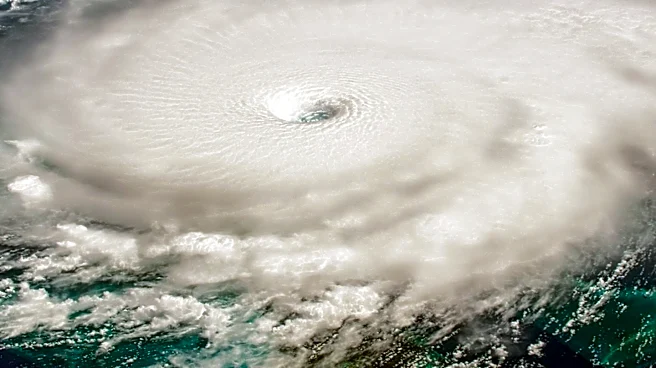
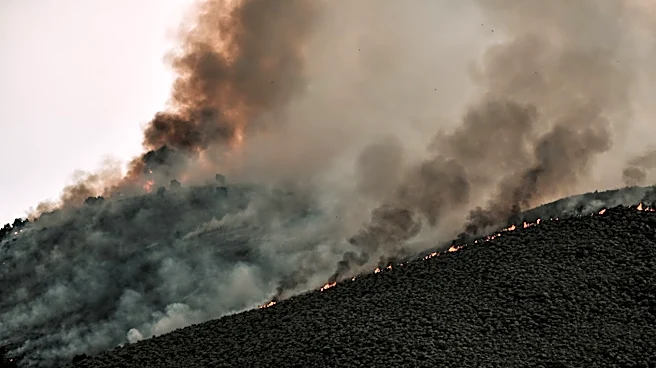
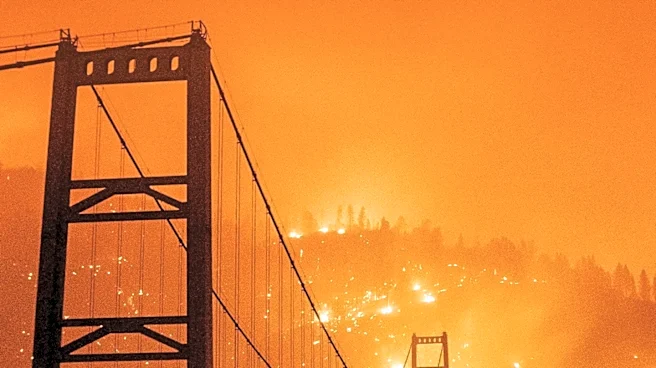
A recent article highlights the tendency of major U.S. television news programs to showcase dramatic footage of extreme weather events such as floods, fires, and heat waves without addressing the role of climate change. This trend has been particularly
noticeable since President Trump's second term. The article criticizes networks like CBS and the Washington Post for reducing their climate reporting teams, contrasting their approach with international broadcasters and some U.S. print and digital outlets that continue to emphasize climate change. The piece also notes that some establishment Democrats are downplaying climate issues to avoid alienating swing voters ahead of midterm elections.
Why It's Important?
The avoidance of climate change discussions in major news outlets has significant implications for public awareness and policy-making. By not linking extreme weather events to climate change, these networks may contribute to a lack of urgency in addressing the climate crisis. This could hinder efforts to transition to cleaner energy sources and mitigate environmental damage. The reduction in climate reporting teams also suggests a potential shift in media priorities, possibly influenced by political and economic interests. This trend could impact public perception and delay necessary policy changes to combat climate change effectively.
What's Next?
If the current trend continues, there may be increased pressure on news organizations to address climate change more directly, especially as extreme weather events become more frequent and severe. Environmental advocacy groups and concerned citizens might push for more comprehensive coverage. Additionally, political leaders who prioritize climate action could use this as an opportunity to differentiate themselves in upcoming elections. The media's role in shaping public discourse will be crucial in determining how climate change is addressed in the future.