






What's Happening?
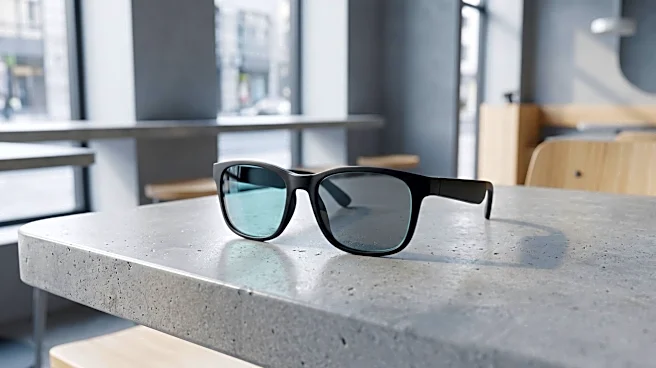
A new iOS application named 'Zuckoff' has been developed to detect the presence of smart glasses, such as Ray-Ban Meta glasses and Snap Spectacles, in the vicinity. The app, created by Pawel Szydlowski, aims to address growing privacy concerns stemming
from the ability of smart glasses to record and stream video without the explicit awareness or consent of those being filmed. Szydlowski was motivated to create the app after observing social media videos where individuals were recorded without their knowledge, often in pranks or harassment scenarios, with no attempt to blur or censor their identities. The app functions by sweeping local Bluetooth frequencies to identify vendor IDs, system identifiers, and hardware signatures associated with smart glasses, providing users with an approximate distance to the device. While it can detect the presence of smart glasses, it cannot confirm if recording is actively taking place. Since its launch in early August, Zuckoff has garnered 2,000 sign-ups, and an Android version is currently in beta testing. Other similar apps, like Antizuck Smart Glasses Scanner and Nearby Glasses, also offer comparable detection functionalities.
Why It's Important?
The emergence of apps like Zuckoff highlights a significant societal and technological challenge regarding privacy in the age of pervasive wearable technology. Smart glasses, with their discreet recording capabilities, shift the burden of privacy onto the individual being filmed, unlike smartphones where recording is often more apparent. This creates 'surveillance anxiety' in public and private spaces, as people are increasingly unaware if they are being recorded and if that content will be shared online without their consent. The development of detection tools signifies a public demand for greater transparency and control over personal privacy in an environment where hardware modifiers are actively working to make smart glasses even more stealthy by disabling recording indicators. This technological arms race between surveillance and counter-surveillance tools underscores the urgent need for new social norms and potentially regulatory frameworks to balance innovation with individual privacy rights. The situation also prompts hardware manufacturers to consider privacy-conscious designs, as exemplified by Even Realities' G2 smart glasses, which omit cameras to prioritize user and bystander privacy.
What's Next?
The developer of Zuckoff, Pawel Szydlowski, is currently beta-testing an Android version of the app, with plans to make it available on the Google Play Store. He also offers a premium version for $10 annually that provides continuous background detection. The increasing affordability and variety of smart glasses models suggest a growing demand for surveillance detection tools, which could lead to further development in this area. Szydlowski hopes that eventually, his app will become obsolete if manufacturers and governments respond to consumer pressure by making smart glasses more easily detectable, potentially integrating such detection capabilities into operating systems, similar to how Apple AirTag detection was incorporated into iOS and Android. However, there is a risk that smart glasses manufacturers might attempt to update their hardware to evade detection apps, further complicating privacy accountability. The ongoing debate will likely involve discussions among tech companies, privacy advocates, and potentially policymakers to establish clearer guidelines and mechanisms for balancing technological advancement with individual privacy rights.
Beyond the Headlines
The rise of smart glasses and the subsequent development of detection apps like Zuckoff reveal deeper ethical and cultural implications concerning public space and personal autonomy. The ability to secretly record and disseminate content challenges established social contracts about public interaction and consent. This technology blurs the lines between public and private, transforming everyday encounters into potential content for online platforms without the knowledge or permission of those involved. The 'entitlement to post everything' mentality, as noted by Szydlowski, reflects a broader cultural shift where digital sharing often overrides traditional notions of privacy and respect. This situation could lead to a re-evaluation of what constitutes public space and who controls one's image within it. Furthermore, the arms race between stealthy recording devices and detection tools highlights a fundamental tension between technological innovation and ethical responsibility, pushing society to confront how it defines and protects privacy in an increasingly connected and visually documented world. The long-term impact could include new legal precedents, industry standards, and evolving social etiquette around wearable technology.