



What's Happening?
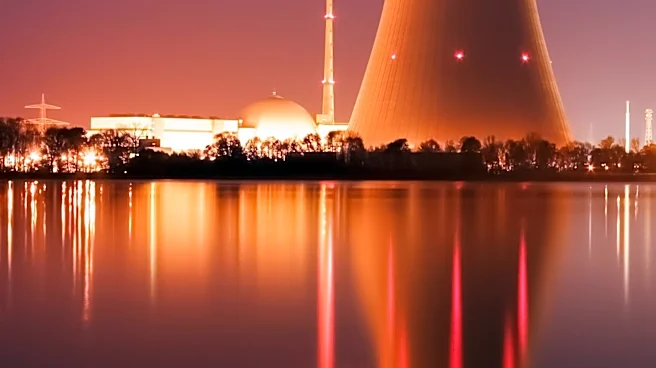
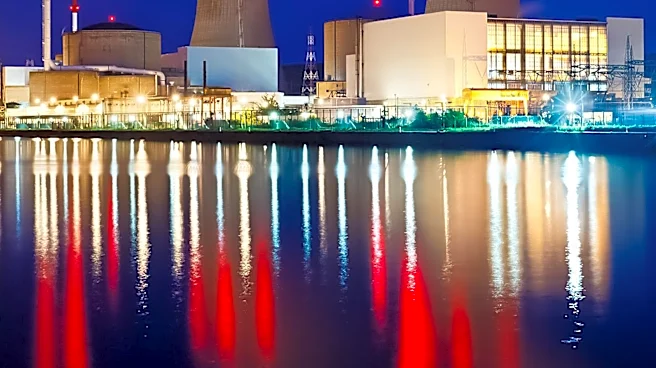
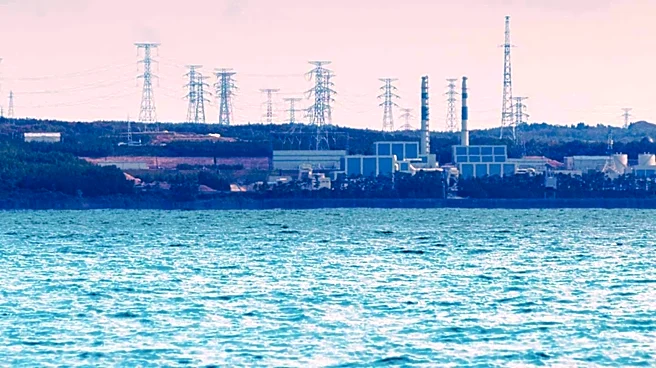
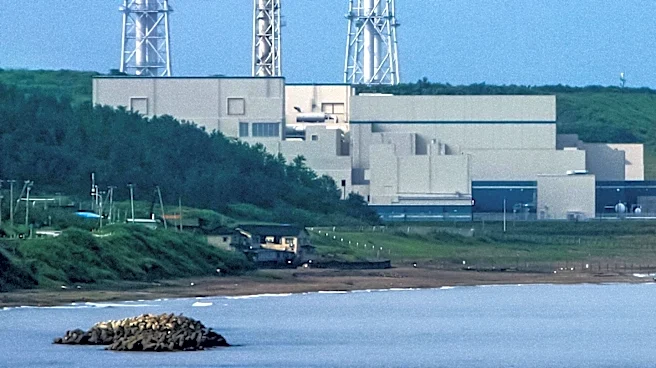
Hungary's only nuclear power plant, the Paks Nuclear Power Plant, is facing a potential shutdown due to record-low water levels in the Danube River. The plant, which is located approximately 50 miles south of Budapest, relies on the river for cooling
its reactors. Currently, the plant is operating at less than half its normal capacity, producing 965 megawatts instead of the usual 2,000. The water level in the Danube has reached unprecedented lows, with predictions that it could fall to negative 144 centimeters, far below the previous record of negative 98 centimeters set in 2018. This situation has been exacerbated by a prolonged drought affecting Hungary and much of Central Europe, impacting tourism, agriculture, and industry. Prime Minister Péter Magyar announced that the plant might be completely powered down by Tuesday or Wednesday, marking the first shutdown in its 44-year history.
Why It's Important?
The potential shutdown of the Paks Nuclear Power Plant is significant as it accounts for nearly half of Hungary's electricity production. A shutdown could lead to energy shortages, prompting the government to request large energy consumers to voluntarily reduce their consumption. This situation underscores the broader impact of climate change, as prolonged droughts and low water levels in major rivers like the Danube can disrupt critical infrastructure. The energy sector, particularly in regions dependent on natural water sources for cooling, faces increased vulnerability. This development also highlights the need for countries to diversify their energy sources and implement more sustainable practices to mitigate the effects of climate change.
What's Next?
If the Paks Nuclear Power Plant is shut down, Hungary will need to find alternative energy sources to meet its electricity demands. The government has already requested large companies to reduce their energy consumption, and further measures may be necessary to stabilize the energy supply. Additionally, the prolonged drought and low water levels in the Danube could prompt discussions on long-term strategies to address climate change and its impact on critical infrastructure. The situation may also lead to increased investment in renewable energy sources and technologies that are less dependent on natural water sources.
Beyond the Headlines
The situation in Hungary highlights the interconnectedness of environmental factors and energy security. As climate change continues to cause extreme weather patterns, countries may face similar challenges in maintaining their energy infrastructure. This event could serve as a wake-up call for policymakers to prioritize climate resilience in their energy planning. Furthermore, the economic impact on industries reliant on stable water levels, such as tourism and agriculture, could lead to broader economic repercussions. The need for international cooperation in addressing climate change and its effects on global infrastructure is becoming increasingly urgent.