
What's Happening?
The global market for chikungunya-related products and services is projected to reach $1 billion by 2030, growing at a Compound Annual Growth Rate (CAGR) of 9.1%. This expansion is driven by increasing
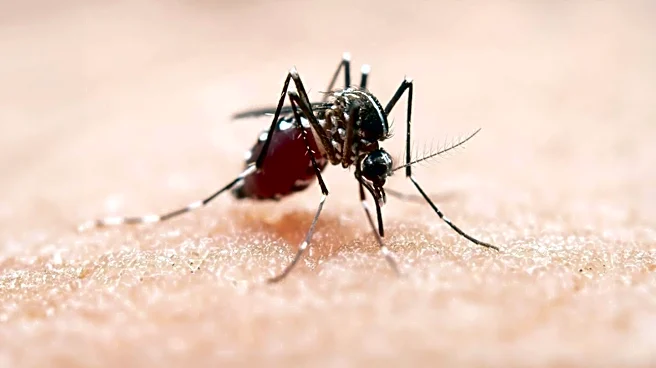
investments in vaccine development, a greater emphasis on preventive healthcare strategies, and the expansion of vector control initiatives. The chikungunya virus (CHIKV), transmitted primarily by Aedes aegypti and Aedes albopictus mosquitoes, causes symptoms such as fever, severe joint pain, headaches, rash, and muscle aches. The rising prevalence of mosquito-borne diseases globally, influenced by factors like climate change, rapid urbanization, deforestation, and insufficient vector control, is a significant contributor to this market growth. The market is also seeing increased demand for rapid diagnostic tools and a boost in global funding for emerging infectious diseases. Key trends include advancements in vaccine candidates, wider adoption of antiviral therapies, and improved mosquito-borne disease monitoring systems.
Why It's Important?
The anticipated growth of the chikungunya market signifies a critical response to a growing global public health threat. For the U.S., this market expansion is important due to the potential for imported cases and the need for robust diagnostic and treatment options. Increased investment in vaccine development and diagnostic tools could lead to more effective prevention and management strategies, reducing the burden on healthcare systems. The focus on vector control initiatives is crucial for preventing local transmission, especially in regions with suitable mosquito populations. Pharmaceutical companies and biotech firms stand to gain from this market expansion through research and development, while healthcare providers and public health agencies will benefit from improved tools to combat the disease. The emphasis on preventive healthcare and early diagnosis could mitigate the impact of outbreaks, protecting public health and reducing economic costs associated with illness and treatment.
What's Next?
Looking ahead, the chikungunya market is expected to see continued advancements in vaccine candidates and antiviral therapies. There will likely be a heightened focus on early diagnosis and the development of supportive care options to manage symptoms. Improved mosquito-borne disease monitoring systems are also anticipated to play a crucial role in tracking and responding to outbreaks more effectively. These developments will be supported by ongoing global funding targeting emerging infectious diseases and continued expansion of vector control initiatives. The U.S. will likely see increased availability of these advanced tools and strategies, potentially influencing public health policies and resource allocation for mosquito-borne disease prevention and control.
Beyond the Headlines
The growth of the chikungunya market highlights a broader challenge posed by climate change and urbanization on global health. The increasing frequency of mosquito-borne infections underscores the interconnectedness of environmental factors and public health. This trend could lead to a re-evaluation of global health security frameworks and increased international collaboration on disease surveillance and control. The ethical implications of vaccine distribution and equitable access to diagnostic tools will become more prominent as these technologies advance. Furthermore, the reliance on symptomatic treatments in the past, coupled with the current push for preventive measures, reflects a shift towards proactive public health strategies, potentially setting a precedent for how other emerging infectious diseases are addressed.