



What's Happening?
The reopening of the Rafah border crossing between Egypt and Gaza, which many hoped would ease the plight of the war-torn region, has been marred by allegations of mistreatment by Israeli troops. According to reports, three women who were among the first
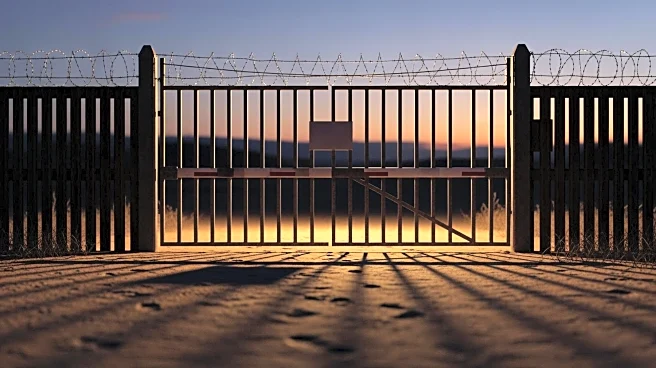
Palestinians to cross back into Gaza claimed they were blindfolded, handcuffed, and interrogated by Israeli forces. These women, part of a group of 12 returnees, described the experience as humiliating, with one woman, Rotana al-Regeb, recounting how she and her mother were subjected to psychological pressure and threats. The Israeli military has denied any misconduct, stating no incidents of inappropriate conduct are known. The crossing, which had been closed for most of the Israel-Hamas conflict, is now under a new arrangement involving a European Union mission and Palestinian officials, with Israel maintaining a screening facility.
Why It's Important?
The allegations of mistreatment at the Rafah crossing highlight ongoing tensions and the complex dynamics of the Israeli-Palestinian conflict. The reopening of the crossing was seen as a potential relief for Gaza, which has been heavily impacted by the conflict. However, the reported incidents could deter others from attempting to return, affecting the humanitarian situation. The accusations also underscore the broader issues of security and human rights in the region, with rights groups and Palestinian officials warning that such abuses could undermine confidence in the fragile reopening process. The situation reflects the challenges of balancing security concerns with humanitarian needs in a conflict zone.
What's Next?
The allegations have prompted calls from Hamas for international mediators to intervene and ensure the safety and freedom of travelers. With over 110,000 Palestinians having left Gaza during the conflict and many seeking to return, the handling of the Rafah crossing will be crucial in the coming days. Israeli officials have indicated a limited daily return rate, which could prolong the process for those wishing to come back. The situation may lead to increased diplomatic efforts to address the concerns raised and ensure a smoother operation of the crossing.