






What's Happening?
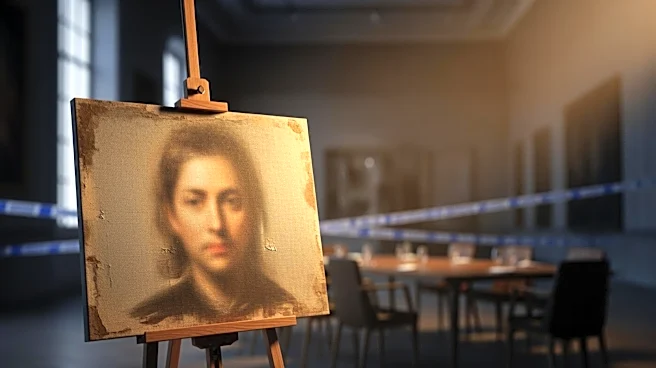
The National Portrait Gallery in London is conducting an investigation into a rare 17th-century portrait that features a Black and a white boy side by side. This painting, which has been housed at Penshurst Place in Kent for centuries, is undergoing restoration
to reveal more about its origins and the identity of the Black sitter. The artwork is notable for its depiction of a Black figure at the same scale as a white figure, a rarity for the time when Black individuals were often portrayed as attendants. The painting, likely created in 1626, has sparked interest due to its potential to reshape understanding of Black presence in early modern Britain. Researchers are employing technical analysis and archival research to uncover more about the painting's history and the lives of Black individuals during that era.
Why It's Important?
This investigation is significant as it could provide new insights into the representation and roles of Black individuals in early modern Britain. The portrait challenges historical norms by presenting a Black figure on equal footing with a white figure, suggesting a more complex social dynamic than previously understood. The findings could influence how historians and the public perceive the history of Black Britons, highlighting their presence and contributions in a period where they are often overlooked. The research may also contribute to broader discussions about race, representation, and historical narratives in art and society.
What's Next?
The restored portrait will be displayed at the National Portrait Gallery from September 2026 to March 2028, after which it will return to Penshurst Place. In the meantime, a facsimile of the painting is on display at Penshurst Place, inviting visitors to engage with the artwork and its historical context. Researchers will continue their analysis, potentially uncovering more about the identities of the sitters and the artist. This ongoing research may lead to further exhibitions and discussions about the role of Black individuals in British history.