






What's Happening?
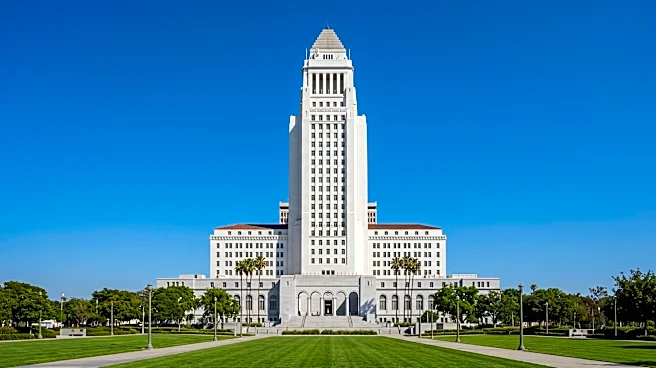
Los Angeles is currently experiencing a significant uptick in mosquito activity, with the population running at least 30% above the five-year average. This increase is attributed, in part, to an extreme heat watch in effect, as warmer weather contributes
to mosquito proliferation. The Greater Los Angeles County Vector Control District, responsible for monitoring mosquitoes, black flies, and non-biting midges, has been actively addressing public concerns and fielding inquiries from journalists and content creators regarding the heightened mosquito presence. The district's efforts are focused on managing this surge to mitigate potential health risks associated with mosquito-borne diseases.
Why It's Important?
The substantial increase in mosquito activity in Los Angeles is a critical public health concern. Mosquitoes are known vectors for various diseases, including West Nile Virus, Zika, and dengue fever, which can pose serious health risks to the population. A 30% increase above the five-year average suggests a heightened potential for disease transmission, placing a greater burden on public health services and potentially impacting the quality of life for residents. The situation underscores the importance of effective vector control programs and public awareness regarding mosquito breeding sites. Uncontrolled mosquito populations can lead to localized outbreaks, affecting vulnerable populations and potentially causing economic disruptions related to healthcare costs and reduced outdoor activities.
What's Next?
The Greater Los Angeles County Vector Control District will likely continue its intensified monitoring and control efforts to manage the elevated mosquito population. This may include increased surveillance, targeted treatments, and public outreach campaigns to educate residents on preventative measures, such as eliminating standing water. As the weather conditions continue to influence mosquito breeding, the district will need to adapt its strategies accordingly. Residents are encouraged to take personal precautions, including using insect repellent and ensuring their properties are free of potential breeding grounds. The long-term implications of this increased mosquito activity will depend on the effectiveness of these control measures and the potential for disease outbreaks.
Beyond the Headlines
The surge in mosquito activity in Los Angeles highlights the broader impact of environmental factors, such as extreme heat, on urban ecosystems and public health. Climate change is contributing to more favorable conditions for mosquito breeding and expansion into new geographical areas, making vector control an increasingly complex challenge. This situation also points to the need for integrated urban planning that considers ecological factors and public health outcomes. The reliance on a single government agency to manage such a widespread issue underscores the importance of adequate funding and resources for vector control. Furthermore, the public's engagement in preventative measures is crucial, as individual actions can collectively contribute to reducing mosquito populations and mitigating disease risks in urban environments.