







What's Happening?
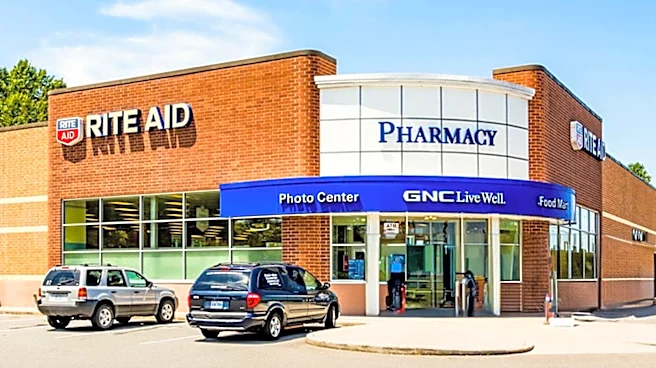
A significant number of Americans, approximately 48.4 million or 1 in 7, live in areas classified as pharmacy deserts, where access to pharmacies is limited. This lack of proximity to pharmacies can affect the perceived safety of neighborhoods, especially
for travelers. In nonmetropolitan areas, residents may face an average round trip of 85 minutes to reach the nearest pharmacy, covering about 36 miles. Urban areas, in contrast, have better access with over 78 pharmacies per 10,000 residents. The closure of over 1,300 pharmacies in the past five years has exacerbated the issue, shrinking safe-access zones and increasing travel risks for those needing quick access to medication and first aid supplies.
Why It's Important?
Pharmacy proximity is a critical factor in determining neighborhood safety, particularly for travelers who may require immediate access to medication or health advice. The growing number of pharmacy deserts poses a risk to public health and safety, as longer travel times can delay access to essential medical care. This issue is particularly pressing for individuals with chronic health conditions, families with young children, and older adults. The trend of pharmacy closures further complicates access, potentially leading to increased health risks and logistical challenges during emergencies.
What's Next?
As pharmacy deserts continue to expand, travelers are advised to include pharmacy proximity checks in their pre-trip planning. This involves using location-based directories to ensure access to nearby pharmacies and considering backup options. For those traveling to rural or nonmetropolitan areas, carrying extra medication and identifying alternative pharmacy options is recommended. The ongoing trend of pharmacy closures suggests that this issue will remain a significant concern, necessitating proactive measures by travelers and potential policy interventions to address access disparities.
Beyond the Headlines
The issue of pharmacy deserts highlights broader concerns about healthcare access and equity in the U.S. The disparity between urban and rural pharmacy access underscores the need for targeted policy solutions to ensure equitable healthcare access across different regions. Additionally, the internal safety culture within pharmacies, affected by staffing pressures, also plays a role in the quality of care provided. Addressing these challenges requires a comprehensive approach that considers both proximity and the operational quality of pharmacies.