








What's Happening?
San Francisco's Board of Supervisors has approved a measure allowing Amsterdam-style cannabis cafes, with a 7-4 vote. The decision permits these cafes to sell food and nonalcoholic drinks while offering live entertainment. The measure aligns with California's
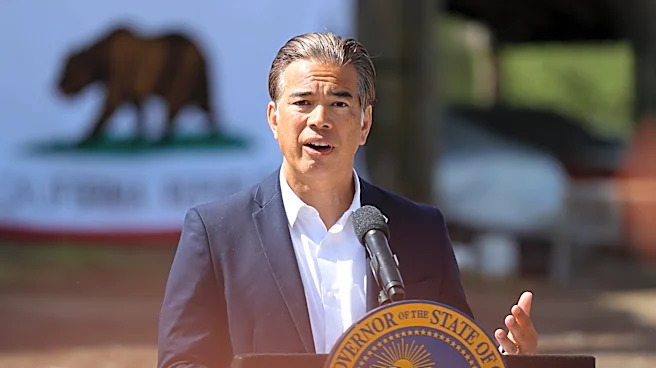
Assembly Bill 1775, signed by Governor Gavin Newsom in 2024, which took effect in January 2025. Proponents, including Board of Supervisors President Rafael Mandelman, argue that the cafes will help the legal cannabis industry compete and grow, contributing to the city's economic recovery. However, critics, such as city supervisor Myrna Melgar and Cynthia Hallett of Americans for Nonsmokers’ Rights, express concerns about public health and worker safety, fearing it may reverse progress in smoke-free environments.
Why It's Important?
The approval of cannabis cafes in San Francisco represents a significant shift in cannabis regulation, potentially setting a precedent for other U.S. cities. This move could stimulate economic growth by attracting tourists and boosting local businesses. However, it also raises public health concerns, particularly regarding indoor smoking and its impact on workers and patrons. The decision highlights the ongoing debate between economic development and public health, with implications for policy-making in other jurisdictions. As San Francisco leads in cannabis regulation, the outcome of this initiative could influence national discussions on balancing economic interests with health and safety standards.
What's Next?
The measure now awaits the signature of San Francisco Mayor Daniel Lurie to become law. If enacted, the city will need to establish regulations and guidelines for the operation of these cafes, addressing concerns about public health and safety. Stakeholders, including business owners, public health advocates, and city officials, will likely engage in discussions to ensure the cafes operate responsibly. The success or challenges faced by these establishments could inform future legislative efforts in other cities considering similar measures. Monitoring the impact on local businesses and public health will be crucial in assessing the long-term viability of cannabis cafes.