






What's Happening?
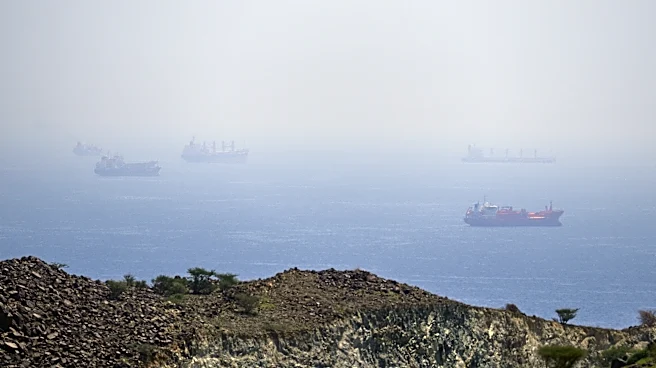
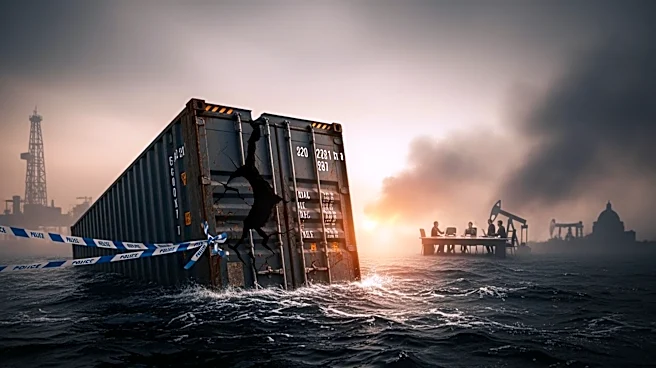
The ongoing conflict in Iran has led to significant disruptions in global trade, particularly affecting the Strait of Hormuz, a crucial waterway for international commerce. This blockade has severely hampered shipments of essential goods such as oil,
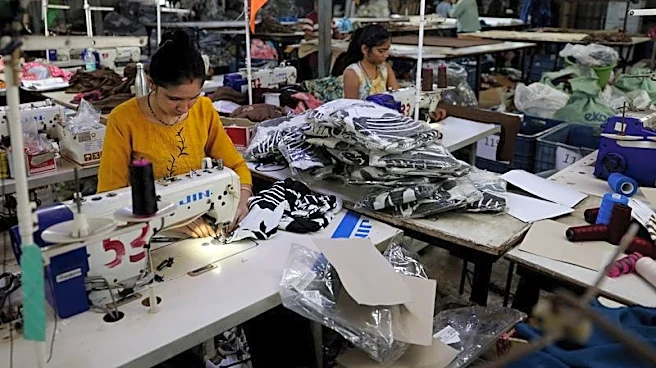
gas, fertilizer, food, and medicines. The economic impact is profound, especially in the Global South, where countries in Africa and Asia are experiencing heightened inflation, currency depreciation, and rising unemployment. In Egypt, for instance, the government has imposed early business closures to conserve energy, leading to job losses and reduced income. Similarly, in Kenya, increased fuel prices have escalated transport and food costs, while in Southeast Asia, energy conservation measures are reminiscent of pandemic restrictions. The war's ripple effects are also felt in countries like Somalia, where food insecurity is worsening due to disrupted supply chains.
Why It's Important?
The conflict in Iran underscores the interconnectedness of global economies and the vulnerability of regions heavily reliant on imports from the Gulf. The blockade of the Strait of Hormuz not only affects direct trade but also disrupts remittances from Gulf-based workers, a critical income source for many households in Africa and Asia. The resulting economic instability could lead to long-term challenges, including increased poverty and social unrest. The situation highlights the need for diversified energy sources and more resilient supply chains to mitigate such disruptions. Additionally, the potential for a prolonged energy crisis could strain international relations and complicate efforts to address global issues like climate change and food security.
What's Next?
If the conflict persists, the economic damage could extend well beyond the immediate region, affecting global energy prices and supply chains. Countries may need to explore alternative trade routes and energy sources to reduce dependency on the Gulf. International organizations and governments might increase diplomatic efforts to resolve the conflict and stabilize the region. In the meantime, affected countries will likely continue implementing austerity measures to manage energy consumption and inflation. The situation also calls for increased humanitarian aid to support vulnerable populations facing food and energy shortages.
Beyond the Headlines
The war in Iran highlights the geopolitical significance of the Strait of Hormuz and the broader Middle East in global energy markets. It raises questions about the sustainability of current energy policies and the need for international cooperation in crisis management. The conflict also serves as a reminder of the potential for regional disputes to escalate into global economic challenges, emphasizing the importance of proactive diplomatic engagement and conflict prevention strategies.