





What's Happening?
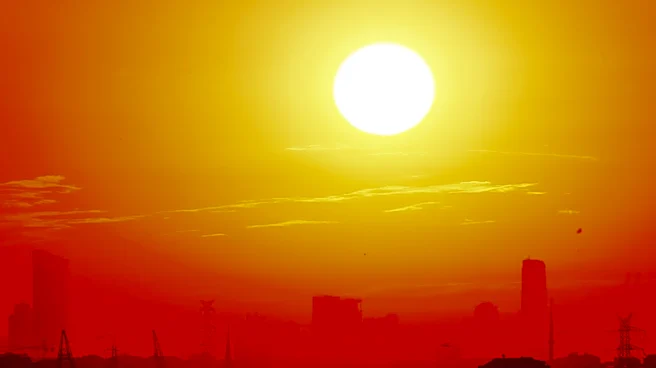
Portions of south central Indiana and north central, northwest, and south central Kentucky are currently under a Heat Advisory. The advisory indicates that heat index values are expected to reach between 100 and 107 degrees Fahrenheit for at least three
consecutive days. This prolonged period of high temperatures is compounded by limited nighttime relief, as low temperatures are only anticipated to fall into the low-to-mid 70s. The advisory is in effect until 8 PM EDT /7 PM CDT/ on Friday. Such conditions pose a significant risk of heat illnesses due to the combination of extreme heat and high humidity. Residents are urged to take precautionary measures to ensure their safety and well-being during this period.
Why It's Important?
This Heat Advisory is important because prolonged exposure to high heat index values can lead to serious health complications, including heat exhaustion and heat stroke, which is a medical emergency. Vulnerable populations, such as the elderly, young children, and individuals with pre-existing health conditions, are particularly at risk. The lack of significant nighttime cooling further exacerbates the danger, as the body has less opportunity to recover from the day's heat. For outdoor workers, the Occupational Safety and Health Administration (OSHA) recommends frequent rest breaks in shaded or air-conditioned environments to mitigate risks. The economic impact could include reduced productivity for outdoor industries and increased strain on healthcare systems. Public services may also be affected, with potential for increased demand for cooling centers and emergency medical services. The advisory underscores the critical need for public awareness and adherence to safety guidelines to prevent heat-related fatalities and illnesses.
What's Next?
Residents in the affected areas are advised to continue taking precautions until the Heat Advisory expires on Friday evening. This includes drinking plenty of fluids, staying in air-conditioned rooms, and avoiding direct sun exposure, especially during peak heat hours. Checking on relatives and neighbors, particularly those who are elderly or have health issues, is also crucial. For individuals who must work outdoors, employers and employees should adhere to OSHA recommendations for frequent breaks in cool, shaded areas. Emergency services are on alert for potential heat-related incidents. Public health officials will likely continue to monitor weather conditions and provide updates or extend advisories if the heat wave persists beyond the current forecast. The focus will remain on public safety and minimizing health risks associated with the extreme temperatures.
Beyond the Headlines
The recurring nature of severe heat events, as highlighted by this advisory, points to broader implications concerning climate patterns and public health infrastructure. Such prolonged periods of high heat stress the importance of robust public health campaigns and accessible cooling resources, especially in communities with limited access to air conditioning. It also raises questions about urban planning and the 'heat island' effect, where metropolitan areas experience higher temperatures than surrounding rural areas due to heat-absorbing materials and lack of green spaces. Long-term, these events may necessitate investments in climate-resilient infrastructure, such as more public cooling centers, tree planting initiatives, and energy-efficient building codes. The impact on agricultural sectors and outdoor labor forces also warrants consideration, potentially leading to policy discussions on worker protections and economic adjustments in response to changing climate conditions. This advisory serves as a reminder of the ongoing challenges posed by extreme weather and the need for adaptive strategies.