


What's Happening?
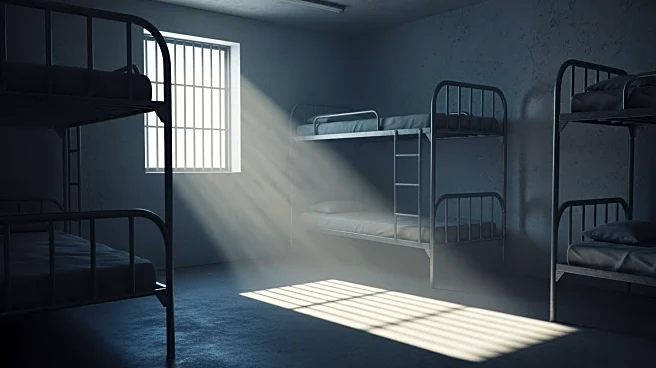
Families detained at the Dilley Immigration Processing Center in Texas have reported poor living conditions, including inadequate medical care, food quality issues, and constant lighting. The facility, reopened by President Trump's administration, has
seen a significant increase in detained families, many held beyond the 20-day limit set by court orders. Reports from detainees and advocates highlight the psychological toll on children, with some experiencing severe distress and health issues. The center, operated by CoreCivic under contract with ICE, has faced criticism for its handling of detainees, particularly children, amid allegations of inadequate oversight and care.
Why It's Important?
The conditions at the Dilley facility raise significant human rights concerns, particularly regarding the treatment of children in detention. The increase in family detentions under the Trump administration reflects broader immigration policy shifts that prioritize enforcement over humanitarian considerations. The reported conditions could have long-term psychological and physical impacts on detained children, raising ethical questions about the U.S. immigration system. The situation also highlights the challenges of balancing border security with humane treatment of migrants, a contentious issue in U.S. politics that affects public opinion and policy decisions.
What's Next?
Advocacy groups and legal representatives are likely to continue pushing for improved conditions and the release of families from detention. Legal challenges may arise, focusing on the prolonged detention of children and the facility's compliance with court orders. The Biden administration, which previously scaled back family detentions, may face pressure to address these issues and reevaluate current policies. Congressional oversight and potential legislative action could also play a role in shaping the future of family detention practices in the U.S. The situation remains a focal point for immigration reform debates.