







What's Happening?
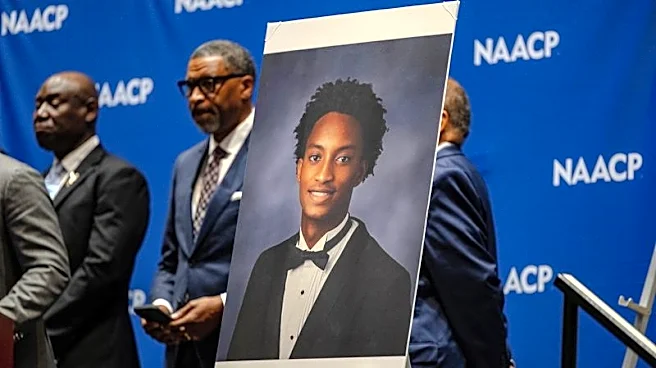
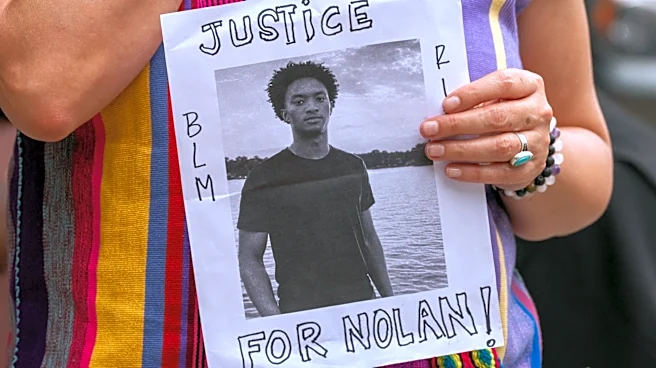
Nolan Wells, an 18-year-old who disappeared after a Fourth of July boating trip to Horn Island, Mississippi, was found dead in the water two days later. His family has raised concerns about potentially deleted content on his phone, particularly noting
the absence of pictures or videos on his Snapchat accounts. This has led to suspicions that content may have been deleted. Warren Hudson, a self-described best friend of Wells who was on the trip, insists that no one in their group had access to Wells' phone or his password, and therefore, could not have deleted any content. Hudson explained that Wells' phone was left on the boat while they were at the barrier island, as it was impractical to carry it in the water. The family has engaged civil rights attorney Ben Crump, although he has not commented on Hudson's claims. An independent autopsy has been conducted, but the cause and manner of Wells' death remain undetermined pending further investigation.
Why It's Important?
The mysterious circumstances surrounding Nolan Wells' death and the concerns about potentially deleted phone content have raised significant questions about the events leading up to his demise. This case highlights issues of transparency and accountability, particularly in situations involving young individuals and digital evidence. The involvement of a high-profile civil rights attorney like Ben Crump suggests that the family is seeking a thorough investigation, which could lead to broader discussions about safety and justice in similar cases. The outcome of this investigation could impact public trust in how such cases are handled and may influence future policies regarding digital evidence in criminal investigations.
What's Next?
As the investigation into Nolan Wells' death continues, the focus will likely remain on uncovering any additional evidence that could clarify the circumstances of his disappearance and death. The family and their attorney may push for further forensic analysis or witness testimonies to piece together the events of that day. Public interest in the case may prompt law enforcement to expedite their investigation and provide updates. Depending on the findings, there could be legal actions or calls for policy changes regarding the handling of digital evidence in missing person cases.