








What's Happening?
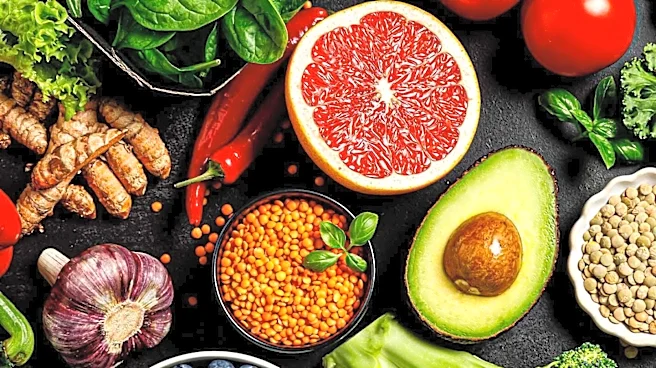
Prebiotics are defined as substrates that are selectively utilized by host microorganisms to provide a health benefit. These substances are naturally present in various foods, including garlic, onion, leek, asparagus, pulses, and oats. Unlike probiotics,
which are live microorganisms offering health benefits, prebiotics are not live organisms but rather components that support beneficial microbial activity within the body. The distinction between prebiotics and probiotics is crucial for understanding their respective roles in health. Prebiotics are also being investigated for their potential to mitigate the risk of infant allergies, particularly when antibiotics are administered during labor, suggesting a broader impact on early life health.
Why It's Important?
The understanding and utilization of prebiotics hold significant importance for public health and the food industry in the U.S. As consumers increasingly seek ways to improve gut health and overall well-being, the clear definition and identification of prebiotics can guide dietary choices and product development. For the food industry, this means opportunities to fortify products with prebiotic-rich ingredients or to market foods naturally high in these compounds. From a health perspective, incorporating prebiotics into the diet can support a healthy gut microbiome, which is linked to numerous health outcomes, including immune function and digestive health. The potential to offset infant allergies further highlights the critical role prebiotics could play in preventive health strategies, impacting pediatric care and maternal health guidelines.
What's Next?
Further research is expected to continue exploring the specific health benefits and mechanisms of action of various prebiotics. This will likely lead to more precise dietary recommendations and the development of new functional foods and supplements. Regulatory bodies may also refine guidelines for labeling and claims related to prebiotics as scientific evidence accumulates. For consumers, increased awareness of prebiotic-rich foods could drive demand for these products, influencing agricultural practices and food manufacturing. The medical community may also integrate prebiotic recommendations into clinical practice, especially concerning gut health and allergy prevention, potentially leading to new therapeutic approaches.
Beyond the Headlines
The growing emphasis on prebiotics reflects a broader shift in health and nutrition towards understanding and manipulating the human microbiome. This trend moves beyond simply treating symptoms to fostering a healthy internal environment. The ethical implications revolve around ensuring accurate information is provided to consumers, preventing misleading claims about health benefits. Legally, there may be challenges in regulating the burgeoning market of prebiotic-containing products to ensure efficacy and safety. Culturally, there's a growing appreciation for traditional foods known for their health benefits, many of which are naturally rich in prebiotics, potentially leading to a resurgence of interest in diverse and plant-based diets. This holistic approach to health, centered on microbial balance, could redefine dietary guidelines and public health campaigns in the long term.