






What's Happening?
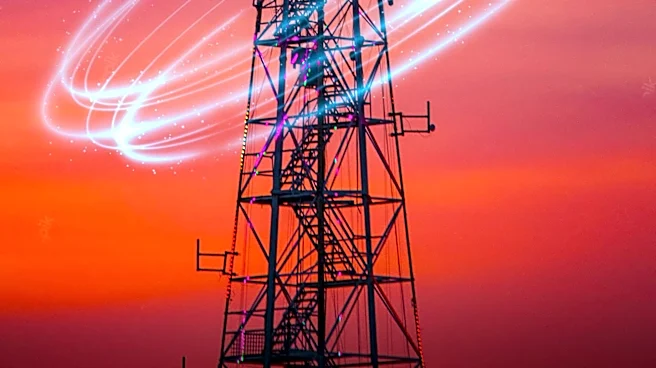
A heat dome affecting the US Midwest and East Coast has led to unusual disruptions in radio and other communication signals. This phenomenon, known as tropospheric ducting, allows radio, television, and microwave signals to travel unusually long distances,
causing interference. In Huntington County, Indiana, an emergency alarm was inadvertently activated by radio signals from Iowa, 300 miles away. This has raised concerns about the reliability of communication systems during such weather events. Tropospheric ducting is influenced by temperature, air pressure, and humidity, and can affect various communication systems, including cellphones, especially those using 5G technology. While emergency services have multiple communication methods, the potential for false alarms and public complacency remains a concern.
Why It's Important?
The disruptions caused by tropospheric ducting highlight vulnerabilities in communication systems during extreme weather events, which are expected to increase due to climate change. Reliable communication is crucial for emergency services, and any interference can have significant implications for public safety. The phenomenon also affects everyday communication for industries like forestry and maritime operations. As climate change leads to more frequent heat domes, the risk of communication disruptions may grow, necessitating adaptations in emergency response strategies and communication infrastructure.
What's Next?
As climate change continues to influence weather patterns, the frequency and intensity of heat domes are expected to rise, potentially leading to more communication disruptions. Emergency services may need to enhance their communication systems to mitigate the impact of tropospheric ducting. Public awareness campaigns could be necessary to prevent complacency in response to false alarms. Additionally, further research into the effects of climate change on communication systems could inform future infrastructure improvements.
Beyond the Headlines
The impact of tropospheric ducting on communication systems underscores the broader implications of climate change on infrastructure. As extreme weather events become more common, industries reliant on reliable communication may face increased operational challenges. This situation also raises questions about the resilience of current communication technologies and the need for innovation to address these emerging challenges.