

What's Happening?
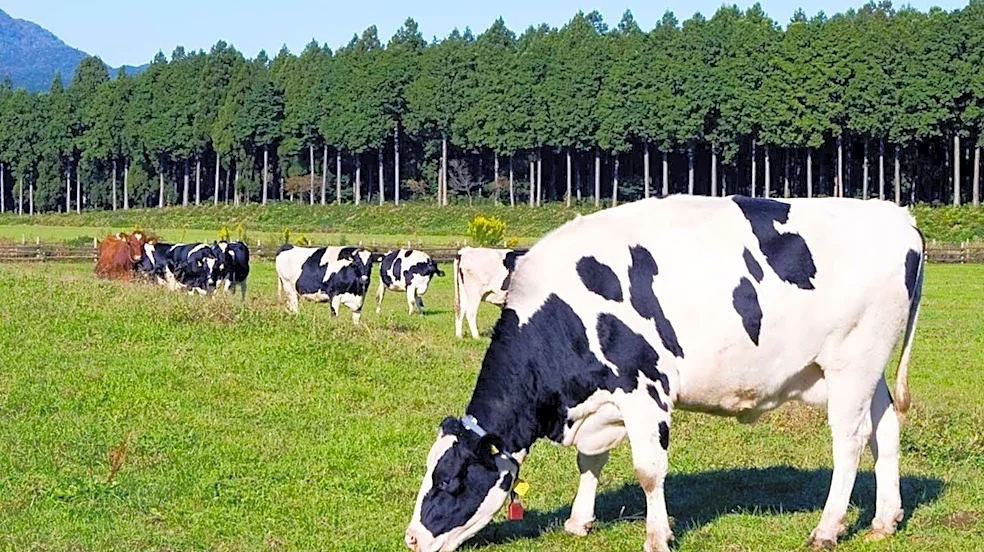
Archived files reveal that the beef industry's primary trade group, the National Cattlemen’s Association, was aware of cattle's significant contribution to global warming through methane emissions as early as 1989. Despite this knowledge, the industry responded
with a public relations campaign rather than implementing changes to ranching practices to reduce these emissions. In February 1989, Richard Neal of the cattlemen’s association attended an Environmental Protection Agency (EPA) workshop on methane from livestock. The subsequent EPA report in August estimated that managed livestock accounted for 15% to 20% of the world’s annual methane emissions. However, the association's internal environmental planning group, which Neal was part of, focused on commissioning position papers that downplayed the impact, such as a study by an animal scientist who estimated U.S. beef cattle contributed only 0.5% of global methane, a figure later questioned for its methodology.
Why It's Important?
This revelation is important because it highlights a historical pattern of industries downplaying environmental impacts despite internal knowledge, similar to what has been observed in the fossil fuel sector. Methane is a potent greenhouse gas, significantly more effective at trapping heat than carbon dioxide over shorter periods. The beef industry's decision to prioritize public relations over emission reduction strategies has long-term implications for climate change mitigation efforts. It suggests that opportunities to address agricultural methane emissions were missed for decades, contributing to the current climate crisis. This historical context is crucial for understanding the challenges in implementing climate policies today and for holding industries accountable for their environmental footprint. It also raises questions about the influence of industry lobbying on public perception and policy decisions regarding environmental issues.
What's Next?
The ongoing scrutiny of historical industry practices regarding climate change will likely intensify calls for greater transparency and accountability from the agricultural sector. Environmental groups and policymakers may use these findings to advocate for stricter regulations on methane emissions from livestock and to promote more sustainable farming practices. Consumers, increasingly aware of the environmental impact of their food choices, might demand more eco-friendly beef production methods or consider reducing their meat consumption. Research into feed additives and other technologies to reduce enteric methane emissions from cattle will likely receive increased funding and attention. The beef industry may face renewed pressure to demonstrate concrete actions towards reducing its environmental footprint, moving beyond public relations to implement substantive changes in cattle farming.
Beyond the Headlines
The story of the beef industry's response to early climate warnings delves into the complex interplay between economic interests, scientific understanding, and public perception. It raises ethical questions about corporate responsibility and the long-term consequences of prioritizing short-term economic gains over environmental stewardship. This historical precedent can inform current debates on climate policy, illustrating how industries can shape narratives to delay action. It also underscores the challenge of communicating scientific consensus to the public when powerful interests are invested in alternative interpretations. The long-term shift triggered by such revelations could be a greater demand for independent scientific assessments, more robust regulatory frameworks, and a fundamental re-evaluation of how industries integrate environmental sustainability into their core business models, moving towards a more holistic understanding of their societal and ecological impact.