






What's Happening?
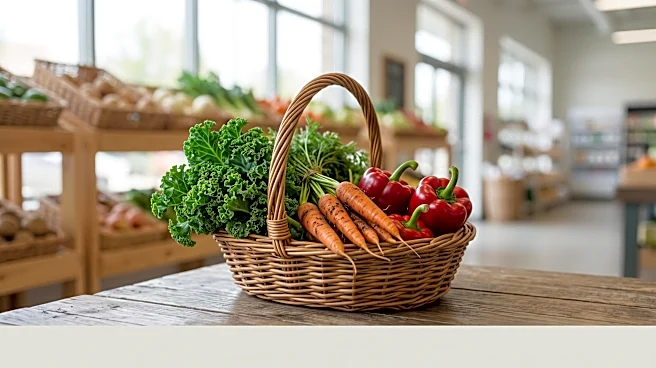
Goodr Community Market and Little Loaf Deli, a grocery store in southwest Atlanta located near the historic King Center, is facing financial challenges and is seeking funding to maintain its operations. The market provides affordable groceries, inexpensive
lunches, and free meals to the local community, serving as a crucial resource for seniors and families. Vanessa Turner, a 71-year-old resident on a fixed income, highlighted the store's importance as a 'lifesaver' for her ability to afford groceries. Owner Jasmine Crowe-Houston emphasizes that her mission extends beyond food provision, aiming to advance social justice through food justice. However, grants and other funding sources have been depleted, forcing Crowe-Houston to cover operating expenses herself. The store operates with minimal markups to keep prices low, which makes sustained operation difficult without additional financial support. Approximately 1,500 seniors live within walking distance of the market, underscoring its vital role in the community.
Why It's Important?
The potential closure or reduction in services of Goodr Community Market would significantly impact vulnerable populations in southwest Atlanta, particularly seniors and low-income families who rely on its affordable food options. The store's model of minimal markups directly addresses food insecurity, a persistent issue in many urban areas. Its location near the historic King Center also ties into a broader narrative of social justice, where access to nutritious and affordable food is seen as a fundamental right. The struggle of this market highlights the broader challenges faced by community-focused businesses that prioritize social welfare over profit margins. The need for external funding underscores a gap in sustainable models for food justice initiatives, often leaving them vulnerable to funding fluctuations. The market's success in providing essential services demonstrates a critical need that, if unmet, could lead to increased hardship for its patrons and exacerbate existing inequalities in food access.
What's Next?
Goodr Community Market is actively seeking funders and partners to help cover its operational costs to ensure it can continue offering low-priced groceries and meals. Customers can contribute by making purchases at the market, with even small transactions, such as a $3 sandwich purchase, directly supporting the initiative. The store also operates a token program where individuals can purchase tokens to provide food for others. Owner Jasmine Crowe-Houston has indicated that more substantial support is needed to secure the market's long-term viability. The immediate future depends on the success of these fundraising efforts and the community's response to calls for support. Without new funding, the market may face difficult decisions regarding its operations, potentially impacting the availability of affordable food for its patrons. The situation calls for community engagement and philanthropic intervention to preserve this vital resource.
Beyond the Headlines
The situation at Goodr Community Market reflects a broader systemic issue concerning food deserts and the sustainability of community-led solutions to food insecurity in the United States. While traditional grocery stores often prioritize profit, community markets like Goodr aim to fill critical gaps in areas where affordable, healthy food options are scarce. The reliance on grants and external funding for such essential services points to a need for more robust public and private partnerships or innovative funding models that can ensure the long-term viability of these initiatives. The market's struggle also highlights the ethical dimension of food access, framing it not just as a commercial transaction but as a fundamental human right and a component of social justice. The potential loss of such a market could deepen existing inequalities and underscore the fragility of community-based efforts without consistent, dedicated support.