







What's Happening?
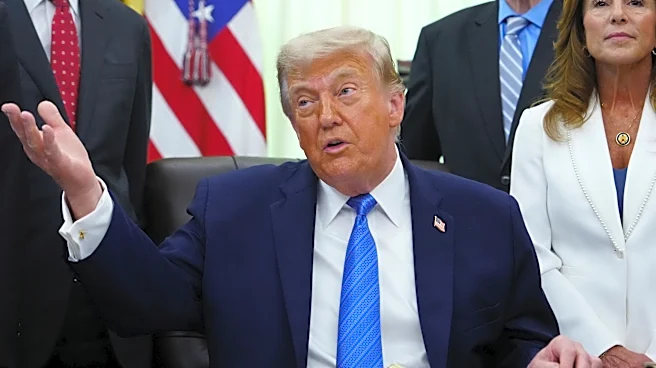
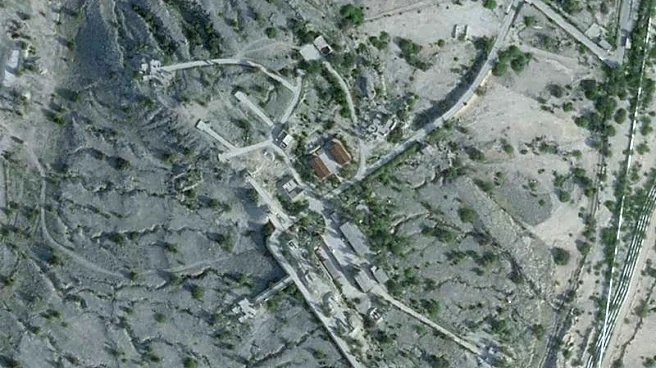
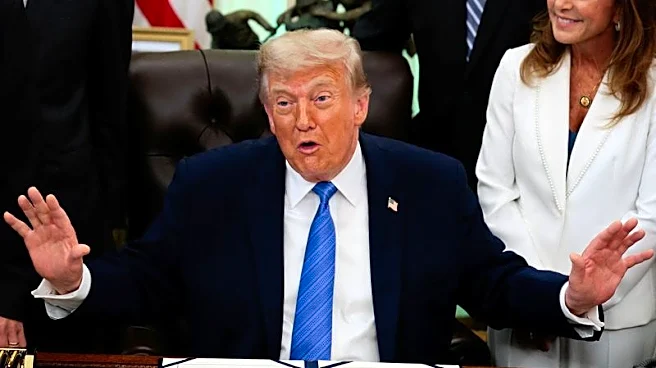
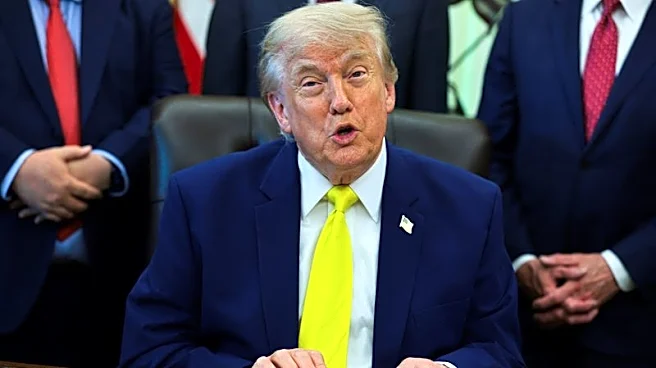
The United States, under President Donald Trump, has intensified military operations against Iran, with Trump asserting that Iran will 'pay the price' for delays in negotiations. This conflict, now in its fourth month, has led to significant economic
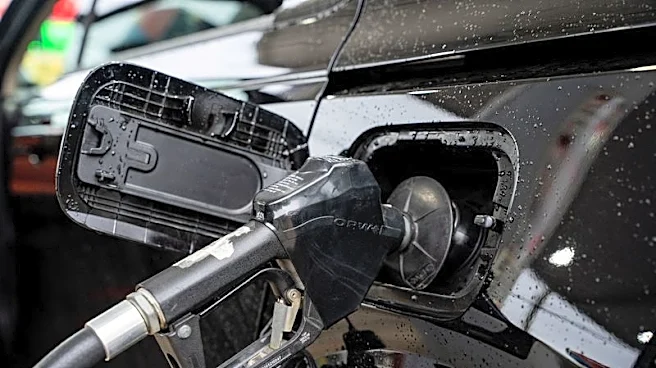
repercussions for U.S. consumers. Inflation has surged, with the Consumer Price Index showing a 4.2% increase in May, the highest in three years. Energy prices have risen sharply, with gasoline prices up by 40.5% over the past year. The economic strain is particularly felt by low and middle-income Americans, who spend a larger portion of their income on energy. The conflict has compounded existing economic challenges, following the COVID-19 pandemic and the 2022 Russian invasion of Ukraine.
Why It's Important?
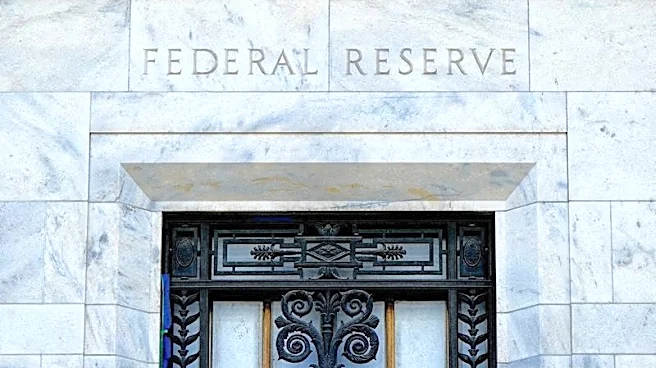
The ongoing conflict with Iran is exacerbating inflationary pressures in the U.S., affecting consumer spending and economic growth. The increased costs of energy and other goods are disproportionately impacting lower-income households, widening economic inequality. The situation poses a challenge to the Trump administration's economic policies, which aimed to provide tax relief and lower fuel costs. The Federal Reserve's response to these inflationary pressures could further influence economic activity, potentially slowing growth if monetary policy is tightened. The conflict's continuation could lead to further economic instability, affecting various sectors, including agriculture and technology.
What's Next?
The economic outlook depends on the resolution of the conflict with Iran. A potential deal could stabilize oil prices and reduce inflationary pressures. However, if the conflict persists, oil prices could rise further, leading to more significant economic impacts. The Federal Reserve's policy decisions will be crucial in managing inflation and supporting economic growth. The administration's ability to negotiate a resolution with Iran will be critical in determining the future economic landscape.