





What's Happening?
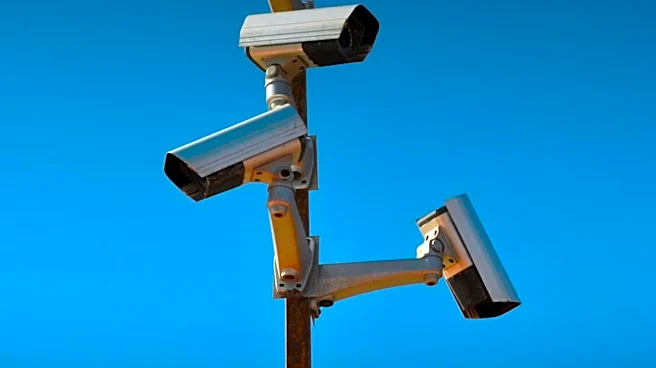
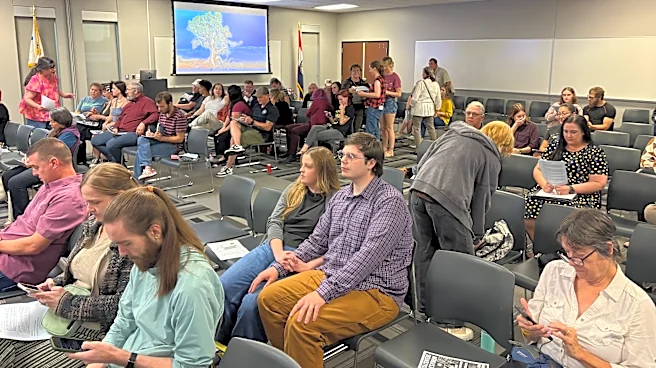
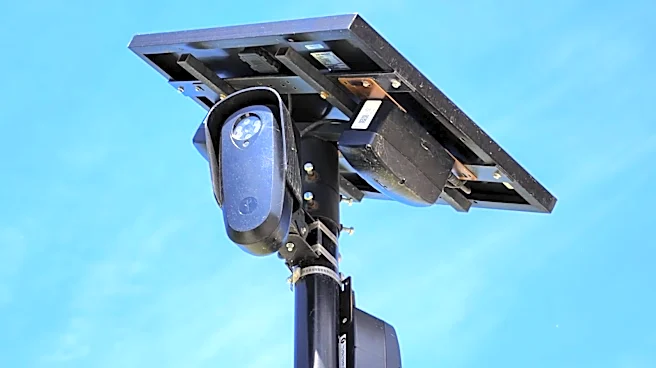
The Lowell City Council has voted to indefinitely suspend the use of Flock Safety system cameras. This decision comes amidst growing privacy concerns regarding the surveillance technology. The council approved a motion to halt the camera system's operation
while they conduct a thorough review of the associated policy. This move reflects a broader debate in various municipalities across the U.S. concerning the balance between public safety measures and individual privacy rights. The Flock Safety cameras, often used for license plate recognition, have been implemented in many communities to aid law enforcement in crime prevention and investigation. However, their deployment has frequently sparked discussions about data collection, storage, and potential misuse, leading to calls for stricter oversight and policy revisions.
Why It's Important?
The Lowell City Council's decision to suspend Flock Safety cameras is significant as it highlights the increasing scrutiny and public pushback against pervasive surveillance technologies in American cities. This action could set a precedent for other municipalities grappling with similar privacy concerns, potentially influencing how such systems are adopted and regulated nationwide. For residents, it underscores a victory for privacy advocates and a re-evaluation of the trade-offs between security and civil liberties. For technology providers like Flock Safety, it signals a need for greater transparency and more robust privacy safeguards in their products to maintain public trust and market viability. The outcome of Lowell's policy review could shape future legislative efforts at local and state levels regarding the deployment and governance of surveillance tools, impacting both law enforcement capabilities and community relations.
What's Next?
Following the indefinite suspension, the Lowell City Council will undertake a comprehensive review of the policy governing the use of Flock Safety cameras. This review is expected to involve public hearings, expert consultations, and a detailed examination of the technology's impact on privacy and civil liberties. Stakeholders, including privacy advocates, law enforcement officials, and community members, will likely participate in this process to voice their perspectives. The council's findings from this review will determine the future of Flock Safety cameras in Lowell, potentially leading to a permanent ban, the implementation of stricter usage guidelines, or a modified reintroduction of the system. The decision could also influence other cities considering or currently using similar surveillance technologies, prompting them to initiate their own policy reviews or adopt more stringent regulations.
Beyond the Headlines
The debate surrounding Flock Safety cameras in Lowell touches upon fundamental questions about the nature of public space and the extent of government surveillance in a democratic society. Beyond the immediate privacy implications, there are ethical considerations regarding algorithmic bias in surveillance technologies and their potential disproportionate impact on certain communities. The indefinite suspension prompts a deeper discussion about the role of technology in policing and whether current legal frameworks are adequate to address the rapid advancements in surveillance capabilities. This situation also highlights the growing importance of local governance in shaping national conversations around technology ethics and civil rights, demonstrating how community-level actions can contribute to broader societal shifts in how technology is integrated into daily life.