

What's Happening?
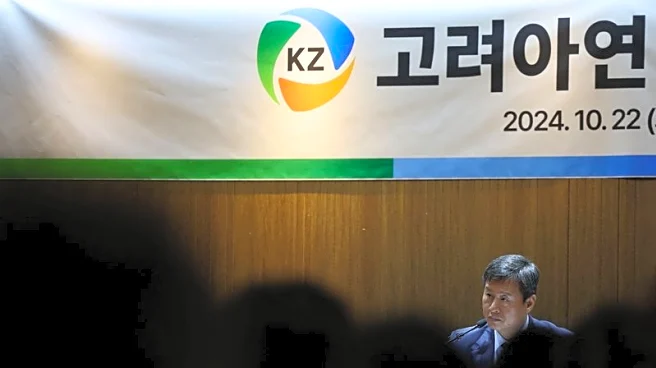
A meeting organized by the FEMA Review Council, appointed by President Trump, was unexpectedly canceled. The council was set to announce recommended reforms to the Federal Emergency Management Agency (FEMA). Homeland Secretary Kristi Noem, co-chair of
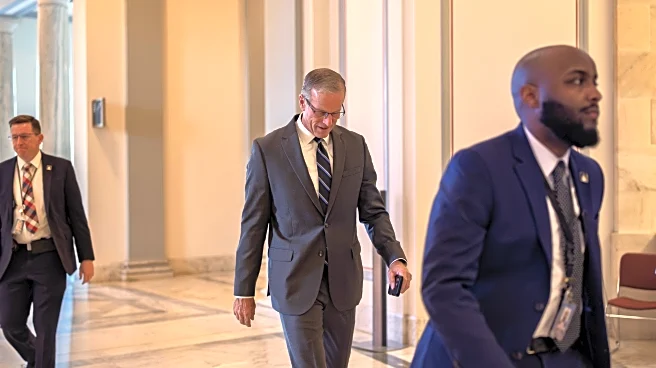
the council, left a Congressional hearing early to attend the meeting, which was scheduled for 1 p.m. EST. However, two hours after the planned start time, attendees were informed of the postponement without any explanation. The Department of Homeland Security redirected inquiries to the White House, which did not provide a comment. The council, created by President Trump through an executive order, has been working on overhauling FEMA, with a final report initially expected to be presented at the meeting.
Why It's Important?
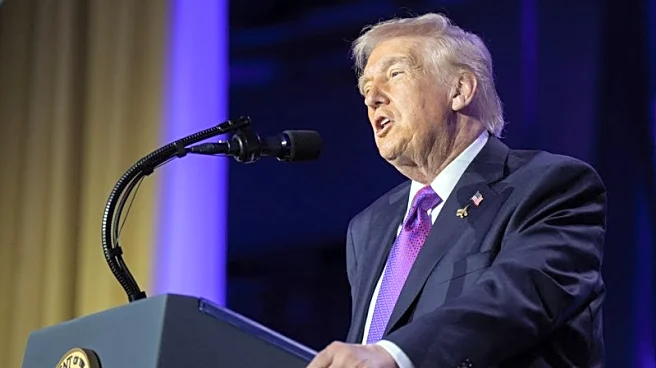
The cancellation of the FEMA Review Council meeting is significant as it delays the announcement of potentially impactful reforms to FEMA, an agency critical for disaster response and recovery in the U.S. President Trump has previously expressed intentions to dismantle FEMA, advocating for states to assume more responsibility for disaster management. The council's work, which involved input from experts and community members, was seen as a crucial step in reshaping FEMA's role. The abrupt cancellation raises questions about the future of these reforms and the administration's commitment to improving disaster management. The outcome could affect how states prepare for and respond to natural disasters, impacting millions of Americans.
What's Next?
A new date for the meeting has yet to be announced, leaving the future of the proposed FEMA reforms uncertain. The council's report, initially over 160 pages, was reportedly reduced to around 20 pages, causing concern among some members about the integrity of the recommendations. If President Trump supports the reforms, he could implement some changes unilaterally, while others would require Congressional approval. The delay may lead to further scrutiny and debate over the proposed changes, especially given the contentious nature of the council's final stages of work.