






What's Happening?
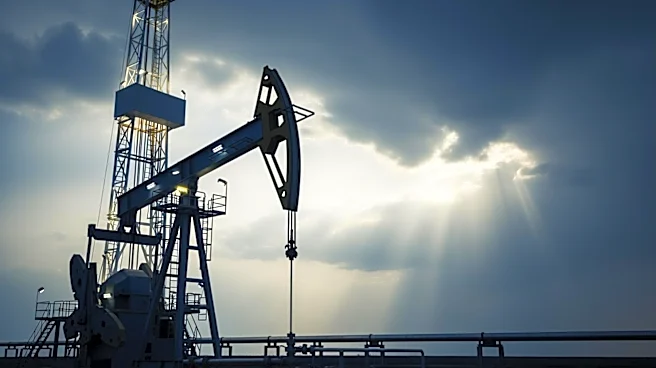
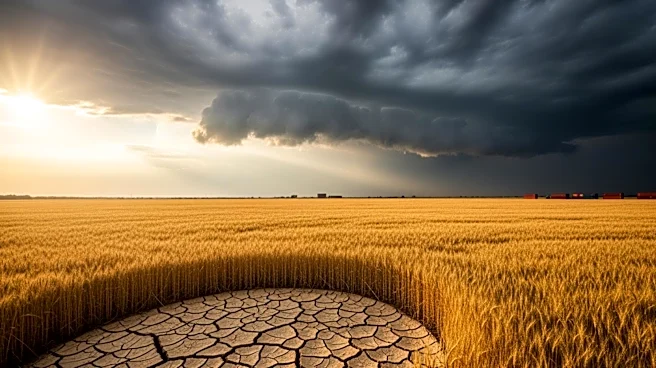
An unusually powerful El Niño event is anticipated later this year, potentially exacerbating global food security concerns. This development comes as the ongoing conflict in Iran continues to strain the supply of crucial fertilizer products. Climate scientists
have warned of a likely planet-warming El Niño, with U.S. meteorologists estimating a one-in-three chance of a strong weather event forming between October and December. European climate models suggest an even higher probability of a very strong or 'super El Niño.' This event is characterized by sea surface temperatures in the eastern Pacific rising at least 2 degrees Celsius above normal. Chris Jaccarini, a senior analyst at the Energy and Climate Intelligence Unit, highlighted the dual pressures on food prices from climate extremes and a fossil fuel-dependent food system.
Why It's Important?
The potential super El Niño event could significantly impact global food costs by disrupting production in major growing regions. This disruption, coupled with the ongoing conflict in Iran, could lead to increased inflation driven by high fossil fuel prices. The food system's reliance on fossil fuels makes it vulnerable to spikes in gas, fertilizer, transport, and packaging costs. The event could further destabilize a climate already affected by human emissions, posing risks to food security and economic stability worldwide.
What's Next?
If the super El Niño materializes, it could lead to increased volatility in global food markets, affecting prices and availability. Stakeholders, including governments and agricultural industries, may need to implement strategies to mitigate the impact on food production and distribution. Monitoring and forecasting efforts will be crucial in preparing for potential disruptions and ensuring food security.