







What's Happening?
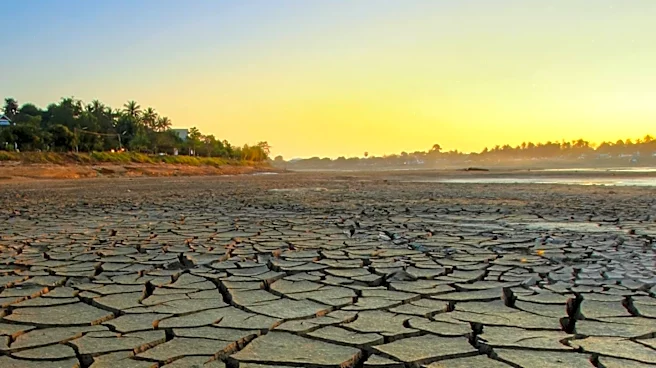
South Carolina is currently experiencing varying levels of drought across all its counties, with the situation worsening as the state approaches one of the hottest weekends of the year. According to the U.S. Drought Monitor, the western border of South Carolina with Georgia
is experiencing abnormally dry conditions, which intensify towards the coast. The coastal areas, particularly the Grand Strand and Pee Dee regions, are in a state of extreme drought, the second-driest category measured. This severe dryness is significantly impacting the soils in Horry, Florence, and Williamsburg counties, as well as extending into Orangeburg and Dorchester counties. While some areas in the Midlands and Upstate are benefiting from rains received in May, the overall dry conditions are a concern for the state.
Why It's Important?
The persistent drought conditions in South Carolina have significant implications for agriculture, water supply, and the overall environment. Extreme drought can lead to reduced crop yields, affecting the agricultural sector, which is a vital part of the state's economy. Water shortages may also become a concern, impacting both residential and commercial water usage. Additionally, the dry conditions increase the risk of wildfires, posing a threat to both natural habitats and human settlements. The situation underscores the need for effective water management strategies and drought preparedness plans to mitigate the adverse effects on the state's economy and environment.
What's Next?
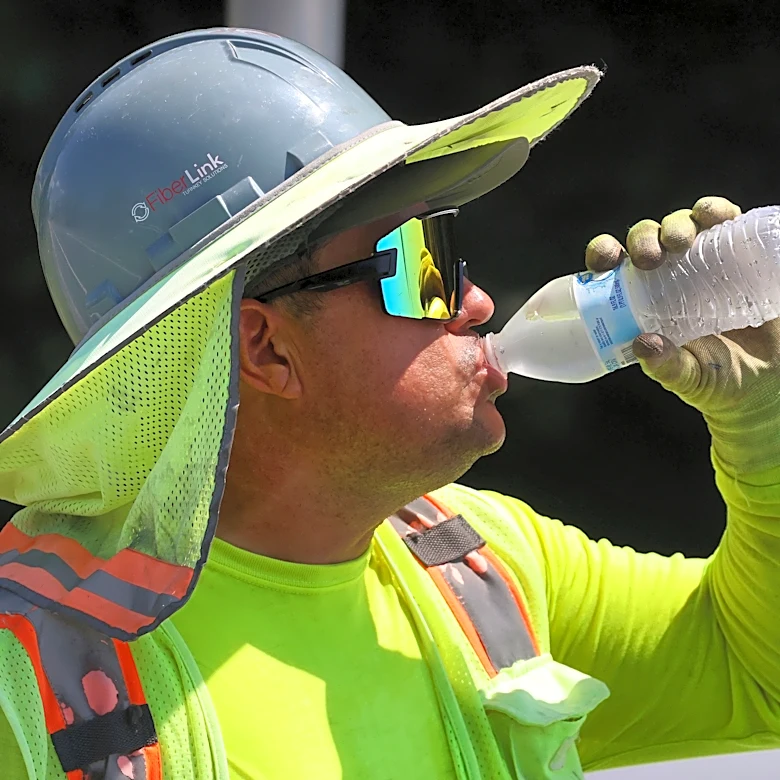
As South Carolina braces for a hot weekend with temperatures nearing triple digits, there is a possibility of rain, which could provide some relief to the drought-stricken areas. However, the extent of the rainfall and its impact on the current drought conditions remain uncertain. State authorities and residents are likely to monitor weather forecasts closely and prepare for potential water conservation measures if the drought persists. Long-term strategies may also be considered to address the recurring drought issues, including investments in water infrastructure and conservation programs.