

What's Happening?
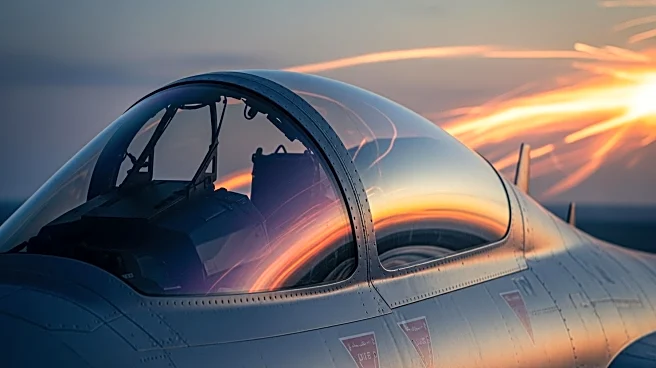
On October 7, Israeli pilots faced unexpected chaos as they responded to a sudden ground invasion by terrorists. Maj. T., a UAV operator, and Maj. A., a fighter navigator, were among the first to engage in the defense efforts. Initially, the situation
was misinterpreted as a routine drill, but it quickly escalated into a full-scale attack. Pilots were tasked with targeting enemy positions, but faced challenges due to incomplete intelligence and the fast-evolving situation on the ground. Despite the confusion, they managed to carry out airstrikes and support ground forces, although they later acknowledged shortcomings in their response.
Why It's Important?
The events of October 7 highlight the critical role of real-time intelligence and communication in military operations. The initial misinterpretation of the situation underscores the challenges faced by defense forces in rapidly assessing and responding to threats. The incident also raises questions about preparedness and the effectiveness of existing protocols in dealing with unexpected large-scale attacks. The pilots' accounts provide insight into the complexities of military decision-making under pressure and the potential consequences of delayed or inaccurate information.
What's Next?
In the aftermath of the attack, there is likely to be a thorough review of military protocols and intelligence operations to prevent similar oversights in the future. The Israeli Air Force may implement changes to improve real-time communication and situational awareness for pilots. Additionally, there could be increased focus on enhancing coordination between air and ground forces to ensure a more cohesive response to threats. The incident may also prompt broader discussions on national security strategies and the allocation of resources for defense preparedness.
Beyond the Headlines
The attack on October 7 has broader implications for regional security and the ongoing conflict between Israel and Hamas. It highlights the persistent threat posed by terrorist groups and the need for continuous vigilance and adaptation in defense strategies. The psychological impact on the pilots and their families, who were directly affected by the events, also underscores the human cost of conflict. This incident may influence public opinion and policy decisions regarding military engagement and peace efforts in the region.