






What's Happening?
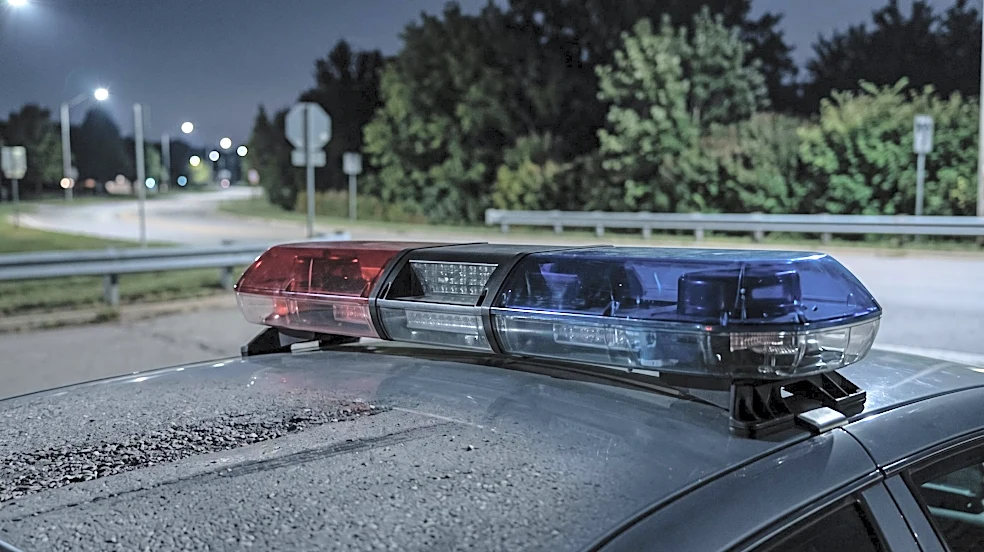
The Worcester Police Department has been awarded $59,649 through the Municipal Road Safety Grant Program. This funding is part of a larger $13 million federal allocation for traffic safety distributed to police departments across Massachusetts. The grant,
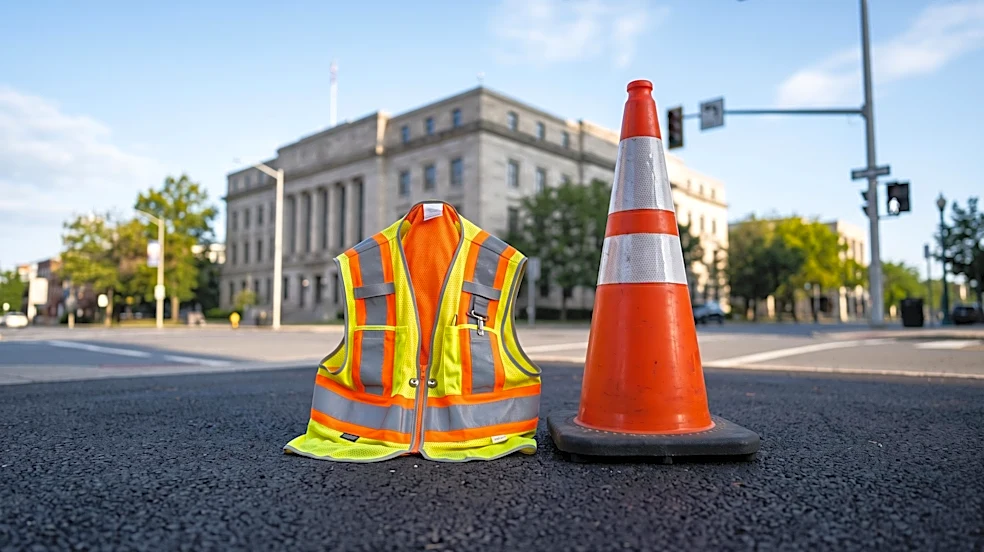
sourced from the National Highway Traffic Safety Administration and administered by the state's Executive Office of Public Safety and Security’s Office of Grants and Research, is designated for various traffic safety initiatives. These initiatives include enhanced traffic enforcement, programs aimed at improving pedestrian and bicyclist safety, procurement of necessary equipment, specialized officer training, and public education campaigns. Worcester is one of several communities in Massachusetts to receive a substantial federal grant for safety-related programs, underscoring a statewide effort to improve road safety and reduce traffic-related incidents.
Why It's Important?
This federal funding is crucial for Worcester as it directly supports efforts to enhance public safety on the city's roads. By enabling increased traffic enforcement and targeted safety programs, the grant aims to reduce accidents, injuries, and fatalities involving motorists, pedestrians, and cyclists. The investment in officer training and equipment will improve the police department's capacity to respond to and prevent traffic violations effectively. Furthermore, public education campaigns funded by this grant can foster greater community awareness about safe driving and road-sharing practices, potentially leading to a cultural shift towards more responsible road behavior. This initiative reflects a broader commitment at both federal and state levels to address traffic safety concerns, which have significant public health and economic implications for communities.
What's Next?
With the allocation of these funds, the Worcester Police Department is expected to implement the outlined traffic safety programs in the coming months. This will likely involve increased police presence in high-accident areas, the launch of new public awareness campaigns, and specialized training sessions for officers. The department will also likely acquire new equipment to aid in traffic monitoring and enforcement. The success of these programs will likely be evaluated based on metrics such as reductions in traffic accident rates, pedestrian and cyclist injuries, and overall traffic violations. Other Massachusetts communities that received similar grants will also be initiating their respective programs, contributing to a coordinated statewide effort to improve road safety.
Beyond the Headlines
The receipt of this grant highlights the ongoing challenge of traffic safety in urban environments and the reliance of local police departments on federal and state funding to address these issues. Beyond immediate enforcement and education, such funding can also spur innovation in traffic management strategies, potentially leading to the adoption of new technologies or data-driven approaches to identify and mitigate road hazards. It also underscores the importance of inter-agency cooperation between federal, state, and local entities in tackling complex public safety problems. The long-term impact could extend to improved urban planning that prioritizes pedestrian and cyclist safety, fostering a more sustainable and livable city environment.