

What's Happening?
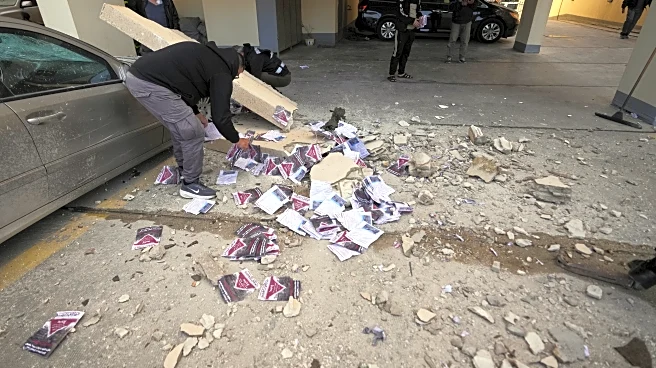
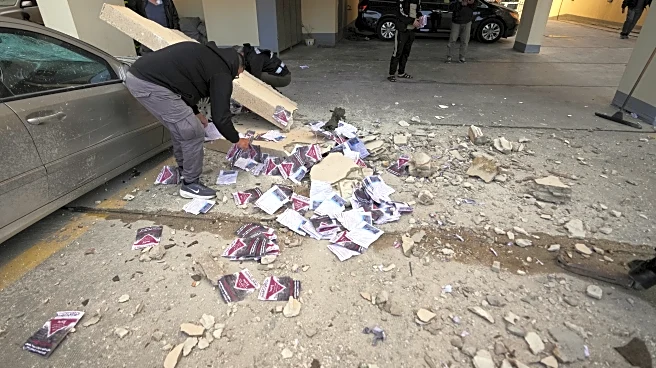
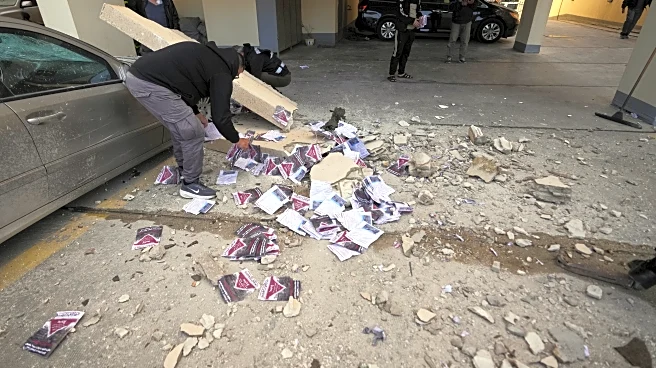
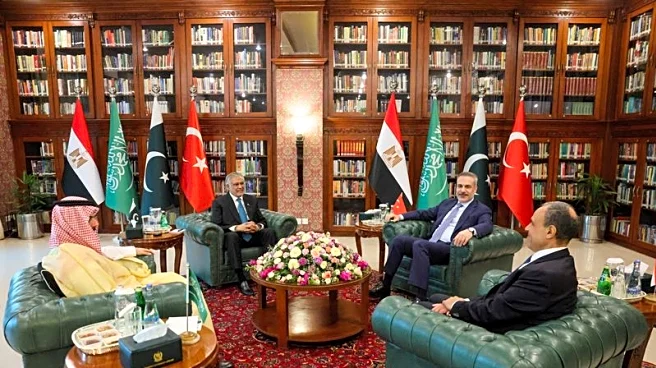
Iran has issued a stern warning to the United States against a ground invasion, as regional powers convene in Pakistan to discuss the ongoing Middle East conflict. Iranian parliament speaker Mohammad Bagher Qalibaf stated that Iranian forces are prepared
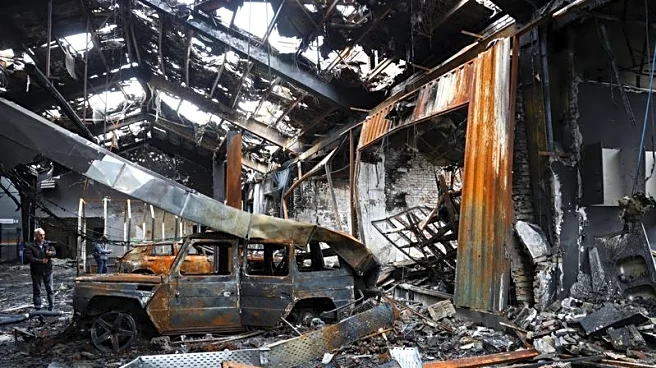
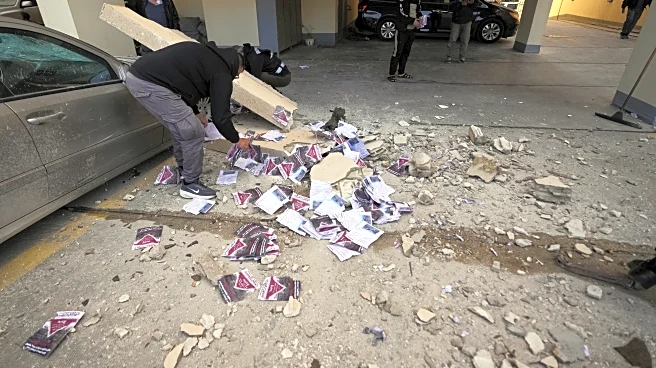
to retaliate against American troops and their regional allies. This comes as explosions were reported in Tehran, with at least four locations targeted. The conflict has escalated with the involvement of Iranian-backed Houthi rebels, threatening global oil and natural gas supplies, causing fertilizer shortages, and disrupting air travel. The strategic Strait of Hormuz, controlled by Iran, has become a focal point of concern for global markets.
Why It's Important?
The situation in the Middle East has significant implications for global economic stability, particularly concerning energy markets. The Strait of Hormuz is a critical chokepoint for oil transportation, and any disruption could lead to increased oil prices and economic uncertainty. The involvement of U.S. Marines and the potential for further military escalation raises concerns about regional security and the possibility of broader conflict. The meeting in Pakistan represents a diplomatic effort to address these tensions, but the outcome remains uncertain. Stakeholders in the energy sector, international trade, and regional politics are closely monitoring developments.
What's Next?
The next steps involve diplomatic negotiations in Pakistan, where regional powers are seeking solutions to de-escalate the conflict. The international community, including the United States, may face pressure to engage in dialogue and find a peaceful resolution. Potential reactions from major stakeholders, such as oil-producing countries and global economic leaders, could influence the direction of these talks. The situation remains fluid, with the possibility of further military actions or diplomatic breakthroughs.
Beyond the Headlines
The conflict highlights the complex geopolitical dynamics in the Middle East, where historical rivalries and alliances play a significant role. The involvement of various regional actors, including Iran-backed groups, underscores the multifaceted nature of the crisis. Long-term implications may include shifts in regional power balances and changes in global energy policies. Ethical considerations regarding military interventions and their impact on civilian populations are also pertinent.