







What's Happening?
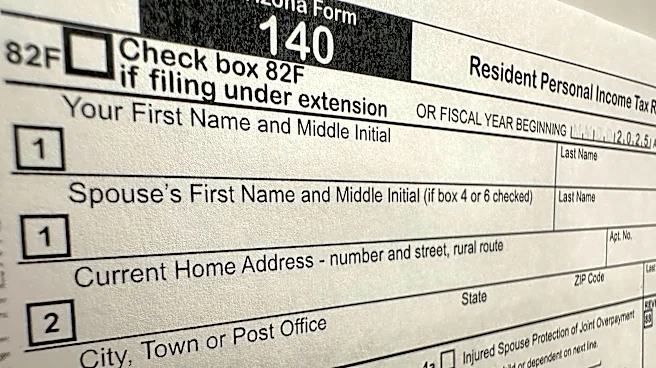
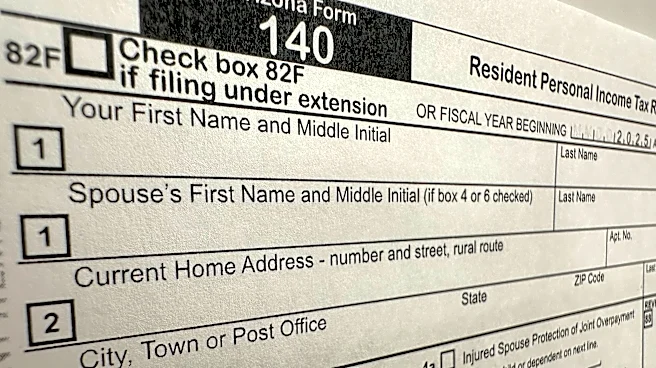
A significant number of immigrants are refraining from filing taxes due to fears of exposure to U.S. Immigration and Customs Enforcement (ICE). This trend follows the IRS's decision to share personal information with ICE, including addresses of immigrant taxpayers
subject to deportation. The decline in tax filings is expected to cost the government billions in unpaid taxes over the next decade. The situation has been exacerbated by increased ICE arrests and changes in federal tax policy that have reduced benefits for immigrant families.
Why It's Important?
The reduction in immigrant tax filings could have substantial financial implications for the U.S. government, potentially leading to a loss of up to $479 billion over the next decade. This situation highlights the broader economic impact of immigration policies and enforcement actions, which may drive more immigrants into the informal economy, reducing tax revenue. The fear and distrust generated by data sharing between the IRS and ICE could undermine efforts to integrate immigrants into the formal economy, affecting public services funded by tax revenue.
Beyond the Headlines
The decision to share IRS data with ICE has broader implications for trust in government institutions and the willingness of immigrants to engage with the tax system. This climate of fear may persist even if immigration policies change, making it challenging to rebuild trust. The situation also underscores the complex relationship between immigration enforcement and economic contributions, as immigrants have historically been key contributors to the U.S. tax base. The long-term impact on immigrant communities and their economic participation remains uncertain.