



What's Happening?
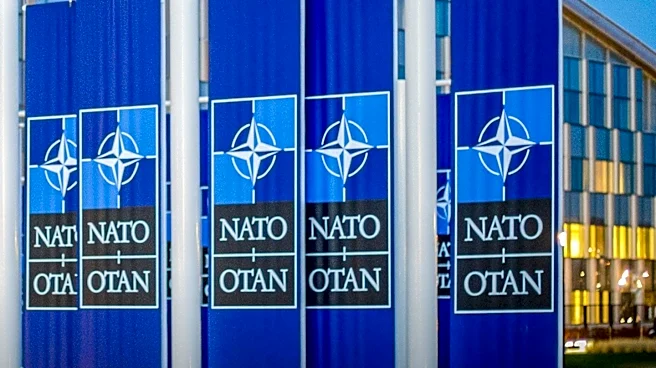
U.S. Senator Michael Bennet (D-CO) and U.S. Representatives Joe Neguse (D-CO) and Don Bacon (R-NE) have sent a letter to U.S. Secretary of Defense Pete Hegseth, expressing concern over reported plans to reduce U.S. contributions to the North Atlantic
Treaty Organization (NATO) in Europe. The congressmen stated that such reductions would undermine allied security and embolden Russia. They highlighted that since Russia's invasion of Ukraine in 2022, the United States has maintained an increased military presence in Central and Eastern Europe to deter potential Russian aggression against NATO allies. However, the U.S. European Command reportedly announced plans to scale back forces, including a 30 percent cut to fighter jets, a decrease in reconnaissance planes, and the withdrawal of aerial refueling tankers. The bipartisan group urged Secretary Hegseth to reconsider these proposed cuts and requested a detailed outline of the Department of Defense's plans to uphold U.S. commitments to its allies.
Why It's Important?
This bipartisan appeal underscores the critical importance of maintaining a strong U.S. military presence in Europe for regional stability and global security. The proposed cuts to NATO resources could significantly weaken allied surveillance and intelligence coordination, leaving NATO allies more vulnerable to potential aggression from Russia. The lawmakers emphasized that deterring Russia through robust support for NATO is a more cost-effective strategy than potentially engaging in a future conflict. The U.S. has a legal obligation under Article 5 of the NATO treaty to defend its allies, and any perceived weakening of its commitment could have profound geopolitical consequences. This situation also highlights the ongoing debate within U.S. foreign policy regarding the balance between focusing on European security and shifting resources to address other global challenges, such as deterring China. The congressmen's intervention seeks to reaffirm America's leadership within NATO and prevent any actions that could introduce uncertainty or risk the alliance's collective strength.
What's Next?
The letter from Senator Bennet and Representatives Neguse and Bacon calls for Secretary Hegseth to reconsider the proposed force reductions and provide clarity on the Department of Defense's strategy for upholding NATO commitments. The immediate next step would be a response from the Department of Defense, outlining its rationale for the planned cuts and how it intends to ensure allied security. This issue is likely to remain a point of discussion within Congress, with lawmakers from both parties scrutinizing the administration's approach to NATO. The outcome of this debate could influence future defense spending, troop deployments, and the overall posture of the United States in Europe. International partners will also be closely watching the U.S. response, as it will signal the strength of America's commitment to its alliances and its role in global security.
Beyond the Headlines
Beyond the immediate military implications, the debate over NATO force levels touches upon fundamental questions of international cooperation and burden-sharing. While the U.S. has historically been a primary contributor to NATO's defense capabilities, there's a persistent call for European nations to increase their own defense spending. This situation highlights the tension between maintaining a strong deterrent against adversaries and encouraging allies to take greater responsibility for their security. A reduction in U.S. forces, even if intended to rebalance global military priorities, could be interpreted by adversaries as a sign of weakening resolve, potentially leading to increased instability. The bipartisan nature of the congressmen's letter suggests a broad consensus on the importance of NATO, transcending domestic political divisions when it comes to core national security interests. This ongoing dialogue will shape not only military strategy but also diplomatic relations and the future of transatlantic security.