
What's Happening?
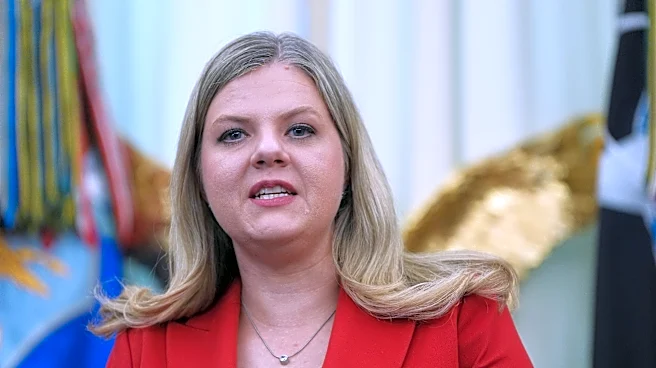
Senator Darline Graham Nordone (R-SC) is facing criticism for her comments on national security during a recent debate against her primary runoff rival, Representative Ralph Norman (R-SC). When questioned
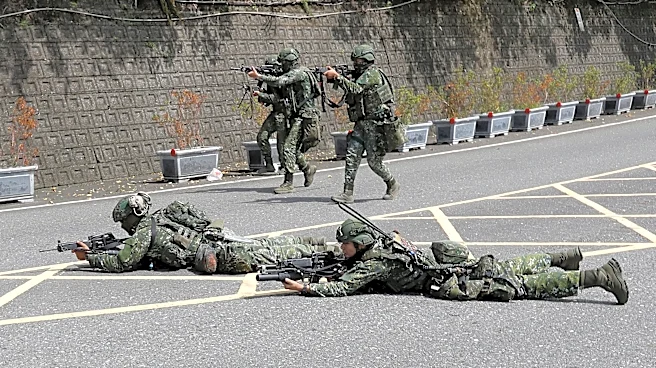
about U.S. support for Taiwan and whether tensions with China were a national security concern, Graham Nordone stated, "I’m not on national security that — I’m not that informed on national security, so... But I do support the military." This remark, which drew boos from the crowd, has intensified existing criticisms that she is relying on the legacy of President Trump and her late brother, Senator Lindsey Graham, rather than her own policy expertise. Former Trump official and South Carolina Governor Nikki Haley, who endorsed Norman, emphasized that being informed on national security is "critical in the U.S. Senate" and "not something you inherit." Graham Nordone was appointed by Governor Henry McMaster (R-SC) on July 13 to serve the remainder of her brother's term, which ends in early January 2027, leaving her with a short period to define her political platform ahead of the August 25 runoff.
Why It's Important?
This incident highlights the critical importance of foreign policy knowledge for U.S. Senators, particularly given the complex global landscape and the U.S.'s role in international affairs. South Carolina, a state with significant military presence and a history of influential foreign policy figures, expects its representatives to be well-versed in national security matters. Graham Nordone's admission of being uninformed could undermine voter confidence in her ability to effectively represent the state's interests on a national and international stage. The debate also underscores the ongoing challenge for candidates who are perceived to be riding on the coattails of more established political figures, rather than demonstrating independent policy understanding. For the Republican Party, this primary runoff is a test of whether voters prioritize established conservative records, as represented by Norman, or are willing to support a candidate with less defined policy positions but strong ties to the party's national leadership, like President Trump.
What's Next?
Early voting for the runoff has already begun, with the election scheduled for August 25. The outcome will determine the Republican candidate who will face Democrat Annie Andrews in the November general election. The debate gaffe is likely to be a significant talking point in the remaining days of the campaign, with Norman and his allies continuing to emphasize his experience and policy understanding. Graham Nordone will need to address concerns about her national security knowledge and articulate a clearer policy platform to voters. The short timeframe between her appointment and the runoff presents a challenge for her to fully define herself. Regardless of the primary outcome, the Republican victor is expected to prevail in the deep-red state of South Carolina in the general election.
Beyond the Headlines
The incident raises broader questions about the qualifications and expectations for elected officials, particularly in an era where political endorsements and family legacies can play a significant role in campaigns. It also touches upon the public's perception of political authenticity versus polished rhetoric. Graham Nordone's candid admission of being uninformed, while potentially damaging politically, could also be seen by some as a sign of honesty, contrasting with the often-criticized tendency of politicians to feign expertise. However, in a role as critical as a U.S. Senator, particularly concerning national security, the expectation for a foundational understanding of key issues remains high. This event may prompt further discussion on how voters evaluate candidates' preparedness for office beyond their party affiliation or endorsements.