



What's Happening?
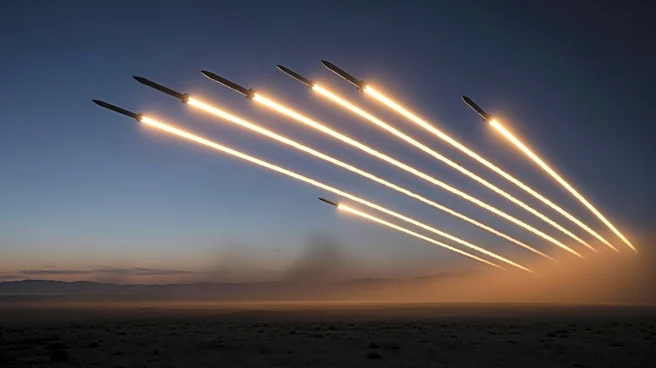
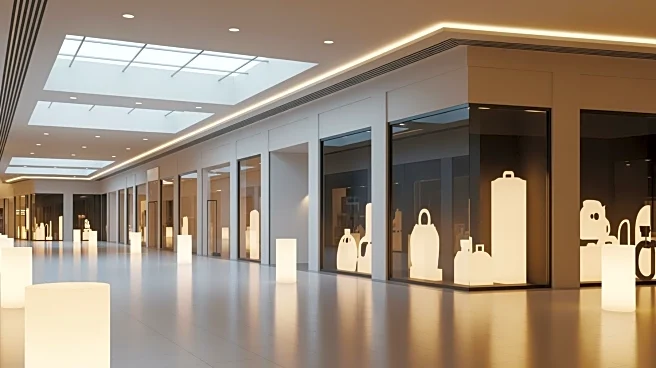
Despite the ongoing conflict and missile threats, shopping centers in Israel, such as the Hetzi Hinnam supermarket in Rishon LeZion and the Cinema City complex, are bustling with activity. Residents are taking advantage of breaks between missile waves
to engage in normal activities like shopping and dining out. The presence of protected spaces in these areas provides a sense of security, allowing people to continue their daily routines. Many residents express a desire to maintain a semblance of normalcy, with some even suggesting that children should return to school to help restore the economy. The situation reflects a community accustomed to living under threat, yet determined to carry on with life.
Why It's Important?
The resilience shown by Israeli residents in continuing their daily activities despite the conflict highlights the importance of maintaining normalcy in times of crisis. This behavior not only supports local businesses but also contributes to the psychological well-being of the community. The ability to adapt to such conditions is crucial for economic stability, as it encourages consumer spending and keeps businesses operational. Moreover, the presence of protected spaces in public areas underscores the importance of infrastructure that can provide safety during emergencies. This situation also raises questions about the long-term impact of living under constant threat and the measures needed to support communities in conflict zones.
What's Next?
As the conflict continues, the Israeli government and local authorities may need to reassess safety protocols and public infrastructure to ensure the well-being of residents. There could be discussions on enhancing protected spaces and improving early warning systems. Additionally, the economic implications of the conflict might prompt policymakers to explore strategies for supporting businesses and maintaining consumer confidence. The community's response to the ongoing situation could also influence future public policy decisions regarding education and economic recovery efforts.
Beyond the Headlines
The ongoing conflict in Israel and the community's response highlight deeper issues related to living in a conflict zone. The psychological impact of constant threats and the need for resilience can have long-term effects on mental health and social cohesion. This situation also raises ethical questions about the balance between security and normalcy, and how societies can support individuals in maintaining their quality of life during prolonged crises. The adaptability of the Israeli population may serve as a case study for other regions facing similar challenges.