
What's Happening?
The Department of Veterans Affairs (VA) successfully provided stable housing to nearly 49,000 homeless or at-risk veterans in fiscal year 2026. This figure, while slightly lower than the 51,936 veterans housed
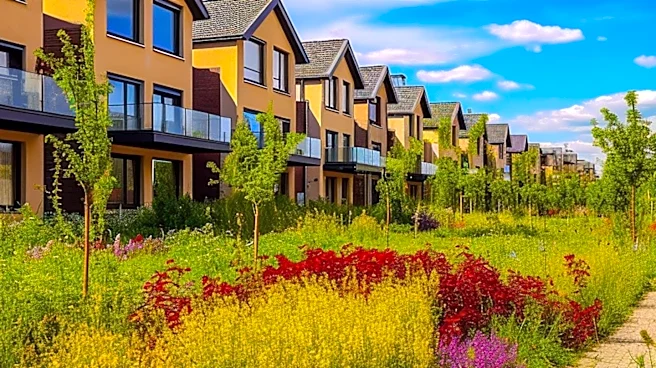
in fiscal year 2025, represents the second-highest number since 2019, averaging approximately 4,000 veterans housed monthly. VA Secretary Doug Collins stated that under President Trump, the VA is intensifying efforts to transition homeless veterans into self-sufficiency. Over the past decade, the number of homeless veterans in the U.S. has decreased by nearly 32%. The Department of Housing and Urban Development's 2025 'Point in Time' count identified 32,495 homeless veterans, a reduction from 47,725 in 2016. The VA attributes these successes to a voucher program with HUD and over $2 billion in grants distributed to community non-profits since January 2025. The housing provided is permanent, such as apartments or homes, rather than temporary shelters. Additionally, the VA launched the Partial Claims Program in June to help veterans avoid foreclosure, allowing mortgage holders to assess payment ability and receive reimbursement from the VA for overdue amounts.
Why It's Important?
The VA's continued success in housing homeless veterans is crucial for national social welfare and public health. Homelessness among veterans often stems from complex issues including mental health challenges, substance abuse, and economic hardship, making stable housing a foundational step towards recovery and reintegration. The significant decline in veteran homelessness over the past decade demonstrates the effectiveness of targeted programs and inter-agency cooperation between the VA and HUD. This effort not only improves the lives of individual veterans but also reduces the strain on public services and emergency shelters. The Partial Claims Program is particularly vital in preventing new cases of veteran homelessness by addressing financial instability, thereby safeguarding veterans' assets and ensuring long-term housing security. These initiatives underscore a national commitment to supporting those who have served, recognizing that their sacrifices warrant comprehensive care and support beyond their active duty.
What's Next?
The VA's ongoing efforts will likely focus on sustaining the momentum in reducing veteran homelessness and expanding preventative measures like the Partial Claims Program. The goal of housing up to 2,048 veterans at the West Los Angeles VA Medical Center campus by 2027 indicates a continued commitment to large-scale housing solutions. Future steps will involve continued collaboration with community non-profits and other government agencies to ensure a holistic approach to veteran support, addressing not only housing but also employment, healthcare, and mental health services. The public comment period for the proposed rule change regarding life insurance premiums for WWII and Korean War veterans, ending December 17, also signals the VA's active role in reviewing and updating policies to better serve its veteran population. The success of these programs will be continuously monitored through annual 'Point in Time' counts and other metrics, guiding future policy adjustments and resource allocation.
Beyond the Headlines
The issue of veteran homelessness extends beyond mere statistics, touching upon profound societal obligations and the moral fabric of the nation. The VA's initiatives reflect a broader understanding that supporting veterans requires a multi-faceted approach that addresses the root causes of homelessness. The emphasis on permanent housing solutions, rather than temporary shelters, signifies a shift towards long-term stability and self-sufficiency. This commitment also highlights the importance of public-private partnerships, as evidenced by the substantial grants to community non-profits, in tackling complex social issues. Furthermore, the prevention of foreclosure through programs like the Partial Claims Program demonstrates a proactive stance in protecting veterans from economic vulnerabilities. These efforts contribute to a national narrative of gratitude and responsibility towards those who have served, reinforcing the idea that no veteran should be left without a home.