





What's Happening?
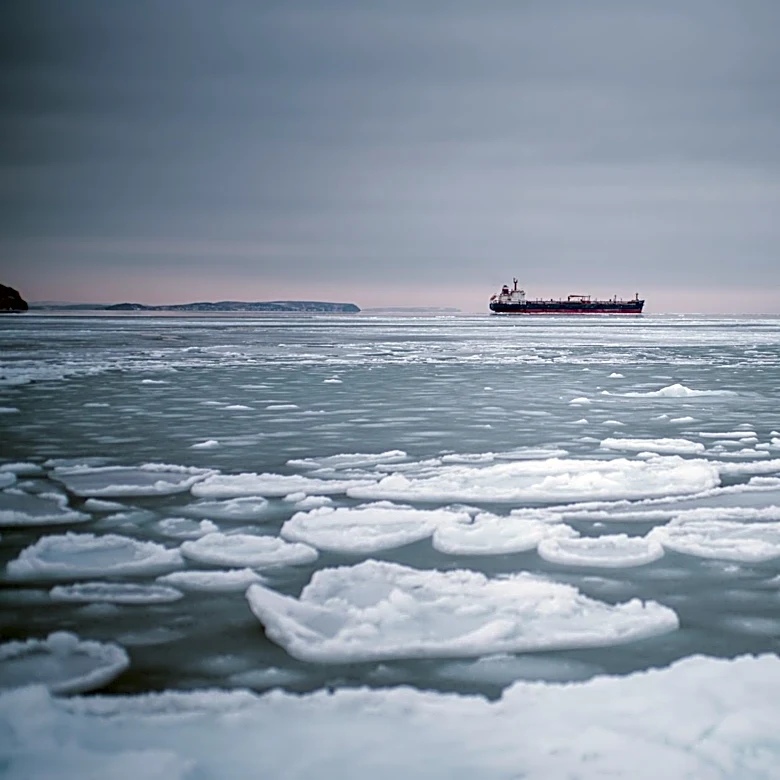
Recent research highlights the impact of increased shipping in the Arctic on cloud formation, as the reduction in Arctic ice has opened new shipping routes. Over the past 12 years, marine traffic in the region has surged by approximately 40%. This increase in shipping activity
results in more pollutants being released into the atmosphere, which can affect cloud formation. Aerosol particles from ship exhaust act as nuclei for water droplets, promoting cloud formation similar to contrails left by aircraft. The study, conducted by École Polytechnique Fédérale de Lausanne and published in Environmental Research Letters, indicates that even ships using low-sulphur fuel, considered more environmentally friendly, contribute to this effect. The research suggests that in summer, when the Arctic air is clearer, a single vessel can significantly influence cloud formation, impacting radiative forcing and potentially accelerating climate change.
Why It's Important?
The findings underscore the complex relationship between human activity and climate change. The increase in Arctic shipping, driven by melting ice, not only facilitates global trade but also contributes to environmental changes that could exacerbate global warming. The pollutants from ships enhance cloud formation, which affects radiative forcing—a key factor in the greenhouse effect. This situation presents a paradox where climate change enables more shipping, which in turn may accelerate climate change. The study calls attention to the need for further research to understand the full implications of increased Arctic shipping and to develop strategies to mitigate its environmental impact.
What's Next?
Further research is necessary to confirm the initial findings and to explore the long-term effects of increased shipping on Arctic cloud formation and climate change. Policymakers and environmental organizations may need to consider regulations to limit emissions from ships, even those using low-sulphur fuel, to mitigate their impact on the environment. Additionally, international cooperation may be required to address the broader implications of increased Arctic shipping on global climate patterns.