



What's Happening?
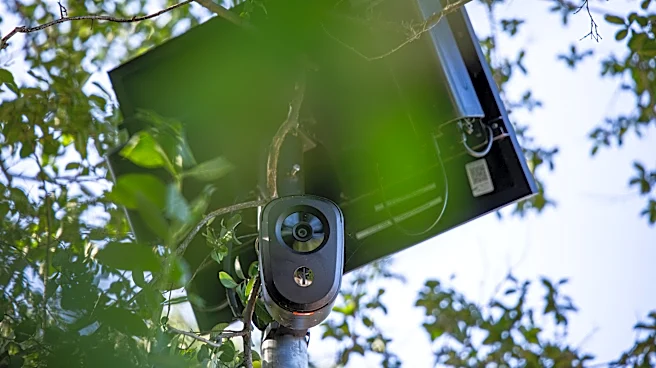
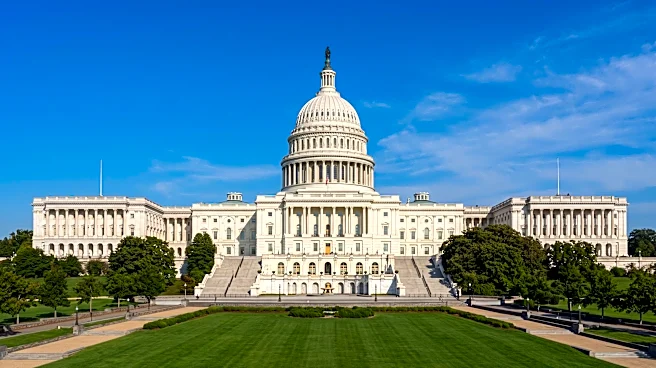
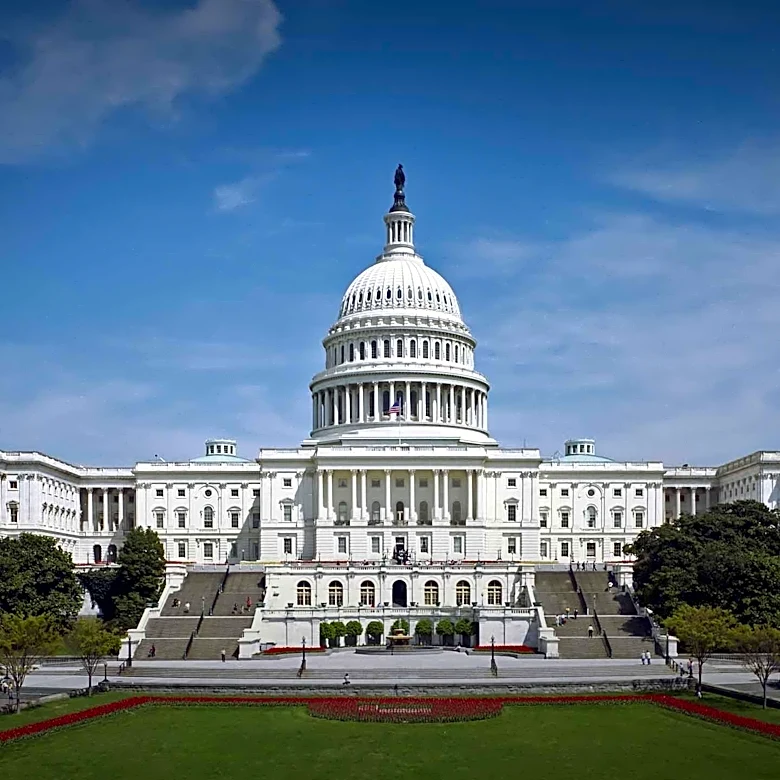
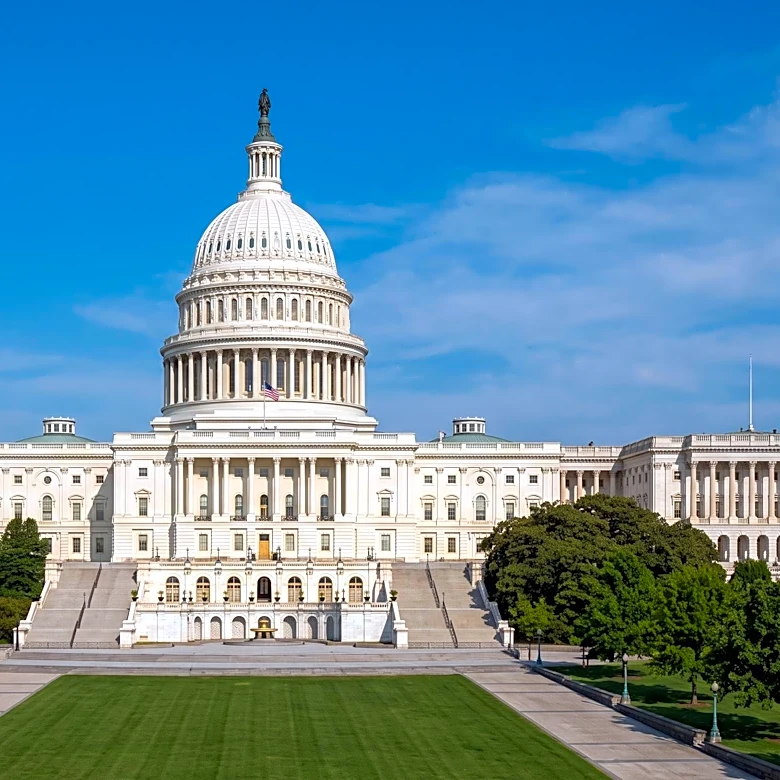
U.S. Representative Tim Burchett (R-TN) has introduced a bill aimed at preventing federal agencies from purchasing or utilizing surveillance systems. The proposed legislation also seeks to block federal funding for such equipment at the local level. This
move comes amidst growing national concerns regarding surveillance technologies, privacy erosion, and the potential misuse of these systems by law enforcement. Knox County, for instance, recently voted unanimously to remove automatic license plate reader (ALPR) cameras, citing similar concerns. State-level lawmakers, such as Republican state Rep. Jason Zachary of Knoxville, are also working on legislation to impose stricter requirements on ALPRs and surveillance cameras, ensuring data access is limited to certified law enforcement personnel with strict penalties for abuse. The broader context includes a bipartisan backlash against the proliferation of surveillance technology across the country.
Why It's Important?
This legislative effort by Representative Burchett is significant as it addresses a critical and increasingly debated issue of privacy versus security in the United States. The bill, if passed, would have a substantial impact on federal and local law enforcement agencies' ability to acquire and deploy surveillance technologies, potentially reshaping how these agencies operate and interact with communities. It reflects a broader public and political sentiment that is wary of mass surveillance and its implications for civil liberties. For technology companies that develop and supply surveillance equipment, such as Flock Safety, the bill could lead to a significant reduction in their market, particularly concerning government contracts. Conversely, privacy advocacy groups and civil liberties organizations would likely view this as a victory, as it aligns with their calls for greater oversight and restrictions on surveillance. The debate highlights the tension between technological advancement, public safety, and individual rights, with potential long-term effects on data governance and the scope of government power.
What's Next?
The bill introduced by U.S. Representative Tim Burchett will proceed through the legislative process, which will involve committee reviews, potential amendments, and votes in both the House and Senate. Its passage is not guaranteed, as it will likely face opposition from those who argue for the necessity of surveillance tools in combating crime and ensuring national security. Stakeholders, including law enforcement organizations, technology companies, and civil liberties groups, are expected to lobby extensively for and against the bill. The outcome could influence future federal and state policies on surveillance, potentially leading to a more standardized approach to data collection and usage by government entities. Furthermore, the ongoing public discourse and local actions, such as those seen in Knox County, will continue to shape the political landscape surrounding surveillance technology, potentially influencing the bill's trajectory and the broader regulatory environment.
Beyond the Headlines
The push to restrict federal funding and use of surveillance systems, as championed by Representative Burchett, delves into profound ethical and constitutional questions about the balance between collective security and individual privacy. The widespread deployment of technologies like ALPRs raises concerns about the creation of comprehensive databases of citizens' movements, potentially leading to a 'surveillance state' where personal freedoms are incrementally eroded. The debate also touches upon the potential for algorithmic bias in surveillance systems, which could disproportionately affect certain communities. Beyond the immediate legislative impact, this movement could foster a broader societal re-evaluation of how technology is integrated into public life and the extent to which personal data should be collected and retained by government agencies. It may also spur innovation in privacy-preserving technologies and encourage a more transparent and accountable framework for government surveillance, reflecting a growing demand for local control and oversight in an increasingly digital world.