

What's Happening?
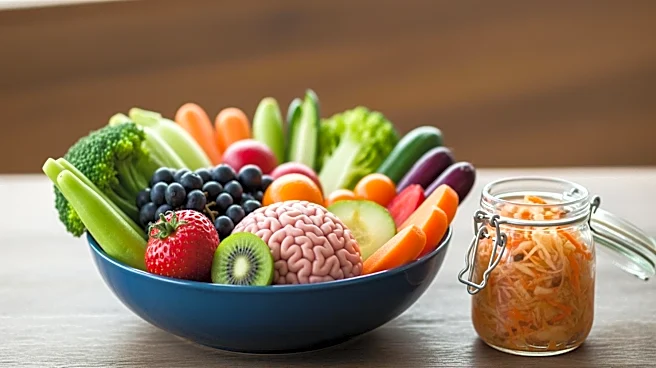
A new review suggests that probiotics and dietary changes could support cognitive function in older adults. The study highlights the potential of gut microbiota modulation as a therapeutic target to complement existing interventions for cognitive decline.
Probiotics, which are live bacteria providing health benefits, may help improve thinking skills in those with early cognitive decline. The review calls for further research but remains optimistic about the role of gut health in supporting brain function.
Why It's Important?
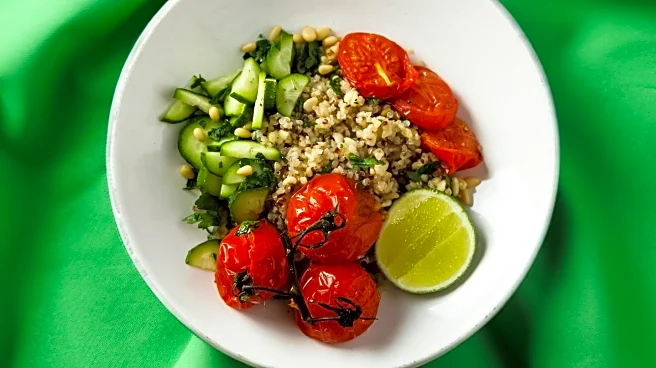
As the population ages, understanding factors that influence cognitive health becomes increasingly important. The potential for probiotics and dietary changes to mitigate cognitive decline offers a promising avenue for non-pharmacological interventions. This research underscores the interconnectedness of gut health and brain function, highlighting the importance of holistic approaches to aging and cognitive wellness. The findings could influence public health strategies and dietary recommendations aimed at preserving cognitive abilities in older adults.
Beyond the Headlines
The exploration of gut-brain interactions reflects a growing interest in the microbiome's role in overall health. As scientific understanding of these relationships deepens, there may be broader implications for mental health, aging, and disease prevention. The integration of microbiome research into cognitive health strategies could lead to innovative treatments and lifestyle modifications that enhance quality of life for aging populations.