


What's Happening?
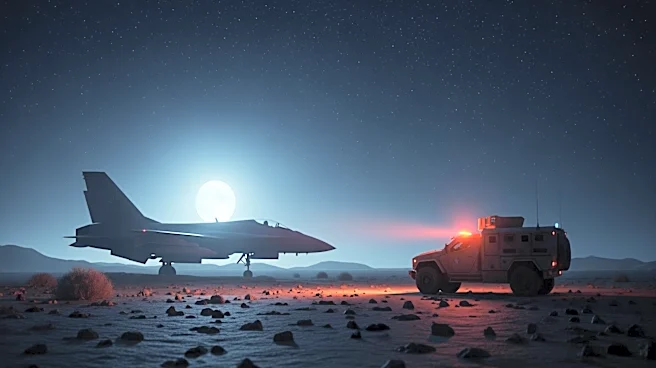
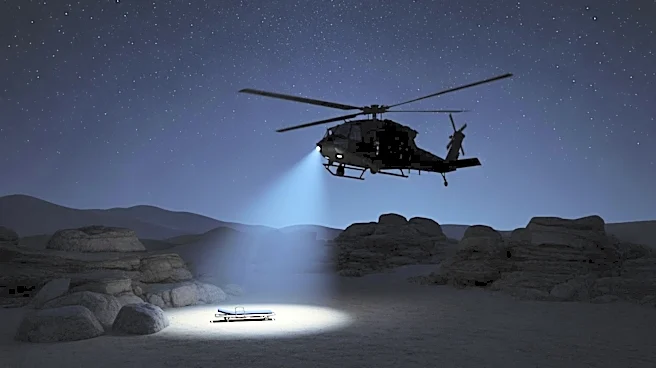
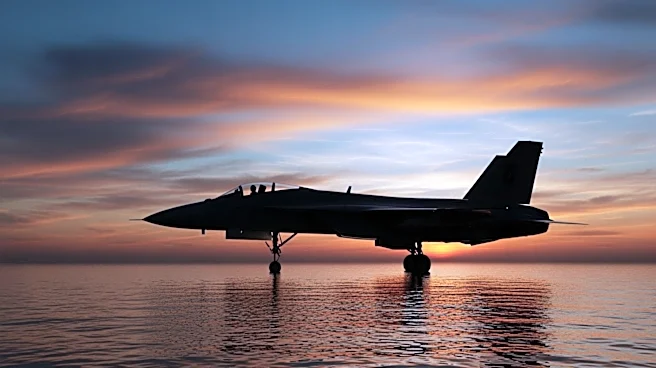
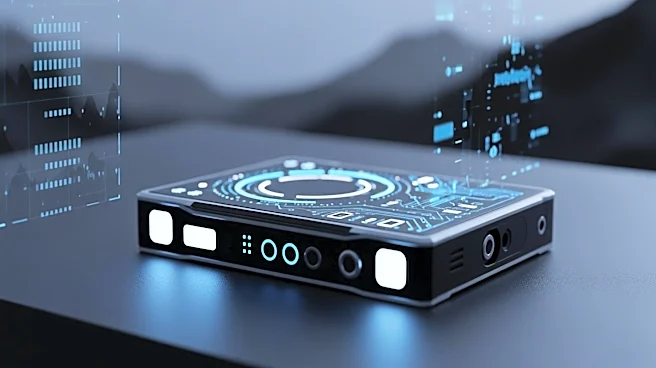
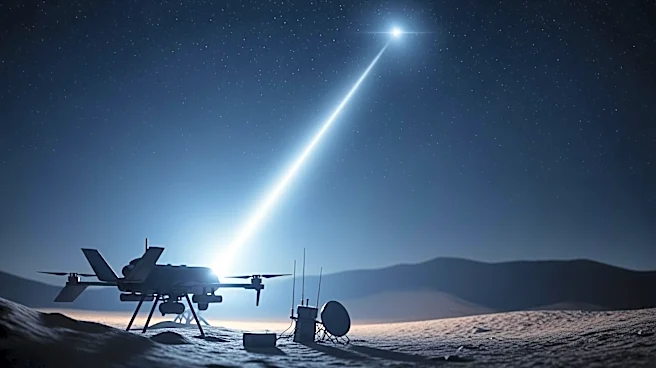
The U.S. military successfully rescued a navigator from a downed F-15E fighter jet in Iran, utilizing the Combat Survivor Evader Locator (CSEL) device. This compact, satellite-based communication tool played a crucial role in the operation, allowing the navigator to transmit
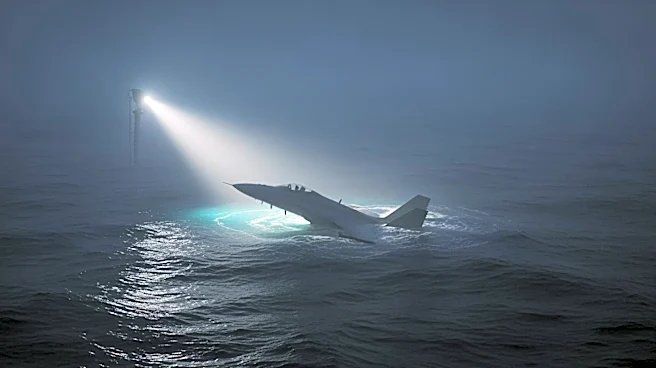
encrypted location data and messages while evading detection by Iranian forces. The CSEL device, integrated into the pilot's survival vest, is designed to withstand extreme conditions and can function after submersion in water. It uses rapid frequency-hopping signals to avoid enemy electronic warfare systems. The navigator was extracted after two days in hostile territory, highlighting the effectiveness of the U.S. military's Combat Search and Rescue (CSAR) doctrine.
Why It's Important?
The use of the CSEL device in this rescue operation underscores the importance of advanced communication technology in military missions. The device's ability to transmit encrypted data and withstand harsh conditions ensures that U.S. personnel can maintain contact with rescue teams even in hostile environments. This capability is vital for the safety and success of military operations, as it allows for precise coordination and rapid response. The operation also demonstrates the U.S. military's commitment to leveraging technology to protect its personnel and maintain operational effectiveness, which is crucial for national security and military readiness.
What's Next?
The success of this operation may lead to further investment in and development of advanced communication technologies for military use. The U.S. military may also review and enhance its training programs to ensure personnel are equipped to use such devices effectively in the field. Additionally, the operation could influence future military strategies and engagements, particularly in regions with advanced electronic warfare capabilities. The U.S. may also explore collaborations with allies to develop and share technologies that enhance search-and-rescue operations.